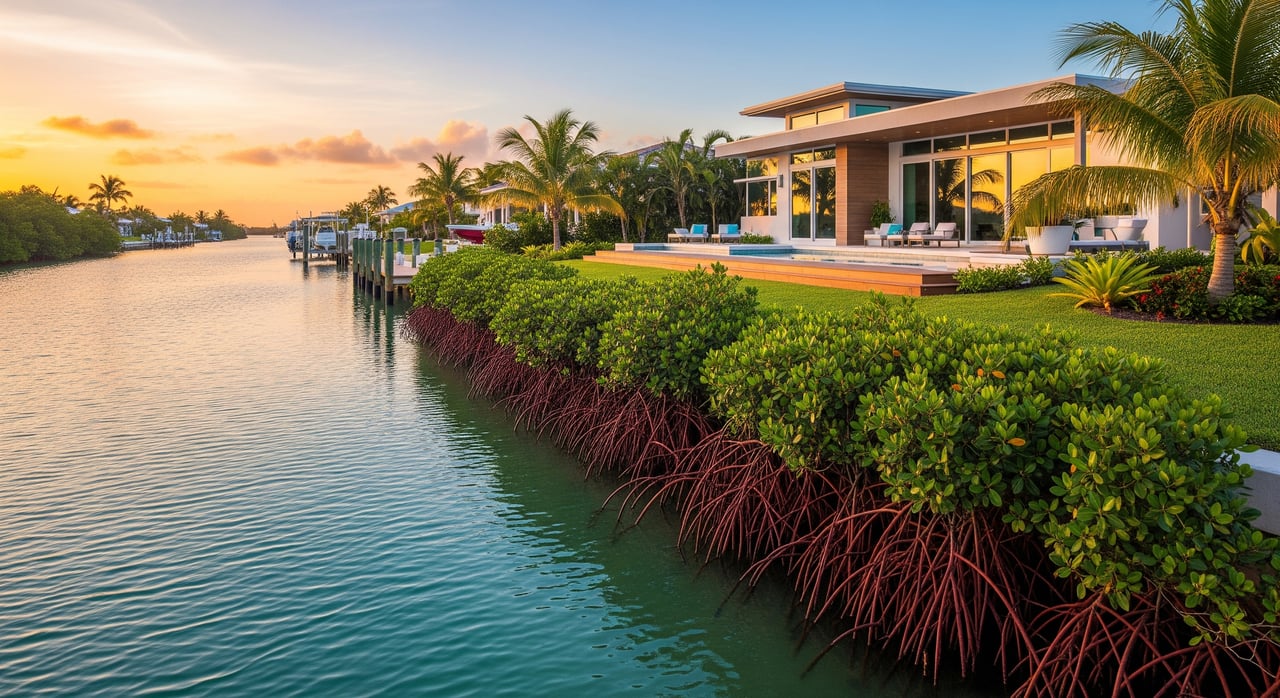
Thinking about trimming mangroves to open up your canal or river view? You are not alone. Many Cape Coral owners want cleaner sightlines while keeping their shoreline healthy and in compliance. In this guide, you will learn what you can do without a permit, when permits are required, how the process works, and how to avoid penalties. Let’s dive in.
Why mangroves matter and who regulates them
Mangroves protect your shoreline, improve water quality, support fish and wildlife, and help buffer storms. That is why Florida law treats them as a protected resource.
Several agencies can be involved:
- State of Florida: Florida’s Mangrove Trimming and Preservation Act governs trimming and removal. The Florida Department of Environmental Protection (FDEP) provides guidance and authorization.
- Federal: The U.S. Army Corps of Engineers (USACE) may require a permit for work that affects waters or wetlands, especially in tidal areas or on submerged lands.
- Local: The City of Cape Coral and Lee County interpret state rules locally, manage intake or referrals, and enforce related ordinances. Local seawall, dock, or tree rules can add requirements.
- Wildlife: The Florida Fish and Wildlife Conservation Commission (FWC) may restrict work timing or methods to protect species.
If mangroves are growing seaward of the mean high-water line, they may be on state-owned submerged lands. Private ownership of the upland does not grant rights to remove those mangroves. Cutting without proper authorization can lead to fines and required restoration.
What you can trim without a state permit
You can usually perform light maintenance that preserves the mangroves’ natural shape and health. Allowed activities typically include:
- Routine trimming and pruning of small branches that keeps the natural canopy shape.
- Careful hand pruning above the ground or root mat that does not alter the stand’s structure.
- Removal of non-living debris caught in the mangroves, done carefully to avoid harming live roots or trunks.
A good rule of thumb is to keep it minimal and keep the natural contour. If your plan goes beyond light touch pruning, check with regulators first.
When a permit is likely required
Many common view-improvement projects trigger permits. You will likely need state and potentially federal authorization if you plan to:
- Cut or disturb trunks, roots, or the mangrove root mat.
- Change the natural shape of the canopy, such as creating a significant view corridor.
- Remove a substantial portion of live foliage or do work that risks mangrove mortality.
- Trim or work seaward of the mean high-water line, including on sovereign submerged lands.
- Build or modify docks, seawalls, boat lifts, or reshape shorelines where work affects mangroves or coastal waters.
- Conduct restoration, mitigation, relocation, or replanting plans.
Agencies decide on a case-by-case basis. They consider your methods, location, extent of trimming, whether the root mat is affected, and potential impacts to navigation, water quality, and wildlife.
What to expect from the permitting process
If permits are needed, the typical reviewers are FDEP for state authorization, USACE for federal waters and wetlands permits, and the City of Cape Coral or Lee County for local requirements.
Common authorizations can include state mangrove alteration permits, sovereign submerged lands approvals, and federal nationwide or individual permits. Larger projects may need public notice and comment.
You will likely be asked for:
- A site plan and aerial or survey showing mangroves relative to property lines and the mean high-water line.
- Photos of the mangrove stand and the proposed work area.
- A written scope describing methods, equipment, and timing.
- A restoration or mitigation plan if removal is proposed, with planting details and monitoring.
- Proof of property ownership and any easements.
Review times vary. Simple authorizations can take weeks. Individual permits, especially those with mitigation or federal review, can take months.
Cape Coral realities: canals, rivers, and open water
Cape Coral waterfront lots commonly back onto canals, the Caloosahatchee River, or open water. Mangroves in these areas may cross the mean high-water line. Do not assume you can cut to the waterline. A quick conversation with local staff can save time and money.
Pre-application consultations are often available with the City or County. Bring photos and a sketch of your goals. Many owners find that a light, natural-shape trim paired with careful design choices can improve views while keeping compliance straightforward.
Choosing the right contractor
There is no single statewide “mangrove trimmer license,” so you should vet skill and experience.
Ask contractors:
- Do you have recent mangrove projects in Lee County or Cape Coral? Can you share references?
- Will you help identify permit triggers and work under permit conditions when required?
- Do you carry liability and worker’s comp insurance and hold local business licensing?
- Will you provide a written plan describing pruning methods, debris disposal, timing to avoid nesting seasons, and how roots and trunks will be protected?
If a permit requires professional oversight, agencies may require that qualified professionals perform or certify the work. Reputable contractors document compliance with before-and-after photos and any required reports.
DIY trimming: know the risk
Light hand pruning that truly preserves natural shape can be allowed. But DIY work can easily cross the line if you cut into trunks, roots, or take too much canopy. If a mistake happens, you could face fines and restoration costs that exceed the price of hiring a seasoned team. When in doubt, bring in an experienced contractor.
Avoid common violations
Stay clear of the pitfalls that most often trigger enforcement:
- Removing too much live canopy to create a wide view corridor.
- Cutting roots or the root mat, or damaging trunks.
- Working seaward of the mean high-water line without authorization.
- Building or modifying docks, seawalls, or lifts without proper permits.
- Disposing of cut material into the water, where it can harm seagrass and navigation.
- Working during nesting seasons or disturbing protected wildlife.
- Using mechanical equipment that causes turbidity or root damage.
If you discover an error, self-report promptly. Agencies often prefer quick voluntary correction and restoration over punitive measures when owners cooperate.
Step-by-step checklist for Cape Coral owners
- Clarify your goal
- Are you aiming for light aesthetic trimming, routine maintenance, or removal tied to a construction project?
- Confirm boundaries
- Determine your property lines and the mean high-water line. If unclear, consider hiring a surveyor.
- Contact local staff
- Reach out to the City of Cape Coral Natural Resources/Environmental Services or Lee County environmental staff. Ask about pre-application guidance.
- Consult state and federal agencies
- Connect with FDEP for mangrove guidance. If work affects tidal waters or submerged lands, contact the USACE Jacksonville District.
- Hire experienced help
- Select a contractor experienced with mangrove projects and local permits. Confirm they will document work and follow permit conditions.
- Prepare documentation
- Gather site photos, a clear scope, and plan timing to avoid nesting seasons. If removal is proposed, assemble a mitigation plan.
- Trim carefully if no permit is needed
- Use the natural-shape approach. Avoid cutting trunks or roots, avoid scraping the root mat, and do not leave cuttings in the water.
- Keep records
- Save before-and-after photos, permits or approvals, contractor invoices, and agency correspondence.
- If enforcement occurs
- Cooperate and address restoration or mitigation quickly as directed.
Buying or selling a waterfront home: why rules matter
For buyers, understanding mangrove rules helps you evaluate view potential, dock feasibility, and long-term maintenance. Ask for recent photos across seasons and check whether prior trimming was permitted. Build permit timing into your ownership or improvement plans.
For sellers, compliance supports value. Documented, permitted shoreline work and healthy mangroves reduce buyer uncertainty. Thoughtful trimming that respects natural shape can showcase water views without risking enforcement during escrow.
If you are weighing two comparable homes, clarity on shoreline rights, mean high-water line, and prior approvals can be the tiebreaker. Solid paperwork and a realistic plan for future trimming make transactions smoother.
How the MJ Team can help
You deserve clear guidance and a smooth path from first showing to closing. Our team regularly navigates waterfront questions, connects clients with surveyors and qualified coastal contractors, and helps you plan improvements in a way that aligns with state and local rules. Whether you are buying or selling, we will help you set realistic timelines and remove guesswork around shoreline compliance.
Ready to talk through your lot, view goals, and next steps? Start your Luxury Home Journey with MJ Team.
FAQs
What is the basic rule for trimming mangroves in Cape Coral?
- You can usually perform light, routine pruning that preserves the natural shape and health of the mangroves; anything that alters structure, cuts roots or trunks, or changes canopy shape typically needs permits.
Do I own mangroves growing beyond my seawall or along open water?
- Mangroves seaward of the mean high-water line may be on state-owned submerged lands, so private ownership of the upland does not grant removal rights without authorization.
When do federal permits come into play for mangrove work?
- If your project affects waters or wetlands, especially in tidal areas or submerged lands, the U.S. Army Corps of Engineers may require a permit in addition to state and local approvals.
How long do mangrove permits take to get approved?
- Simple authorizations can take weeks, while individual permits with mitigation or federal review can take months; timelines vary by scope and agency workload.
Can I improve my water view without risking violations?
- Often yes. Light, natural-shape trimming with careful hand pruning and no root or trunk cutting can improve views, but check with local and state staff before you start.
What happens if I cut too much or damage roots by accident?
- Agencies can issue fines and require restoration or mitigation. Promptly self-reporting and cooperating can lead to faster, more collaborative resolution.
Should I hire a specialist contractor for mangrove work?
- Yes. Choose a contractor with local mangrove experience, proper insurance, and familiarity with FDEP, USACE, and local permit conditions. They should provide a written plan and documentation.