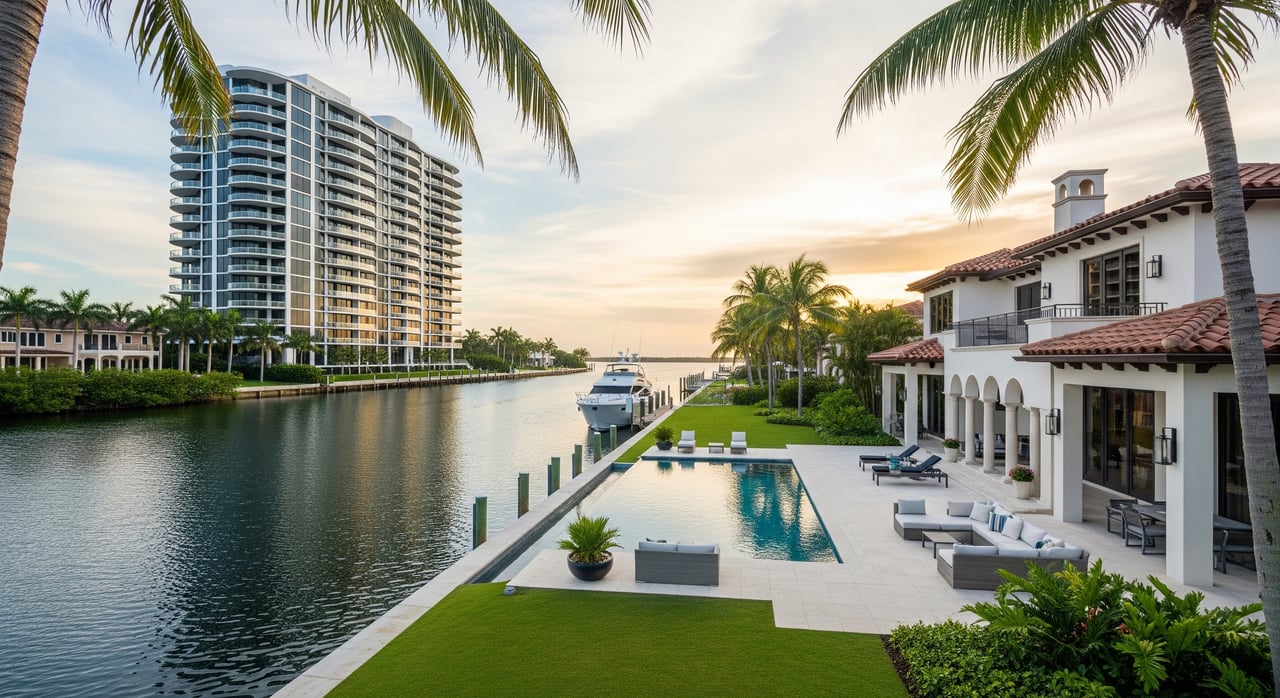
Picture yourself watching a Gulf sunset from a glass-wrapped balcony or stepping from your backyard to a private dock for a morning cruise. In Naples, both lifestyles are within reach, which makes choosing between a luxury condo and an estate home both exciting and complex. You want the right fit on costs, upkeep, amenities, boating access, insurance, and long-term value.
This guide breaks down the real tradeoffs in Naples and Collier County so you can align your purchase with how you live today and how you plan to use the property over time. You’ll get a clear comparison, a local neighborhood overview, and a practical due diligence checklist. Let’s dive in.
Naples luxury market snapshot
Naples and greater Collier County attract retirees, second-home owners, and high-net-worth buyers who value waterfront, golf, and resort-style living. Luxury high-rise condos cluster near beaches and downtown, while premier estate neighborhoods offer privacy, larger lots, and boating access.
Florida has no state income tax, which is attractive for many buyers. If you intend to make the home your primary residence, explore the homestead exemption and Save Our Homes assessment cap. Property taxes vary by area, so use the Collier County Property Appraiser to review parcel details, millage, and exemptions.
For broader market context and trends, look to Florida Realtors market research and local reports from the Naples Area Board of REALTORS.
Costs and upkeep: condos vs. estates
Luxury condos in Naples typically roll exterior maintenance and amenities into a monthly association fee. These fees often include common-area upkeep, landscaping, elevators, security, pools, fitness centers, master insurance, and reserves. You will usually carry an HO-6 policy for your interiors, personal property, liability, and potential loss assessments.
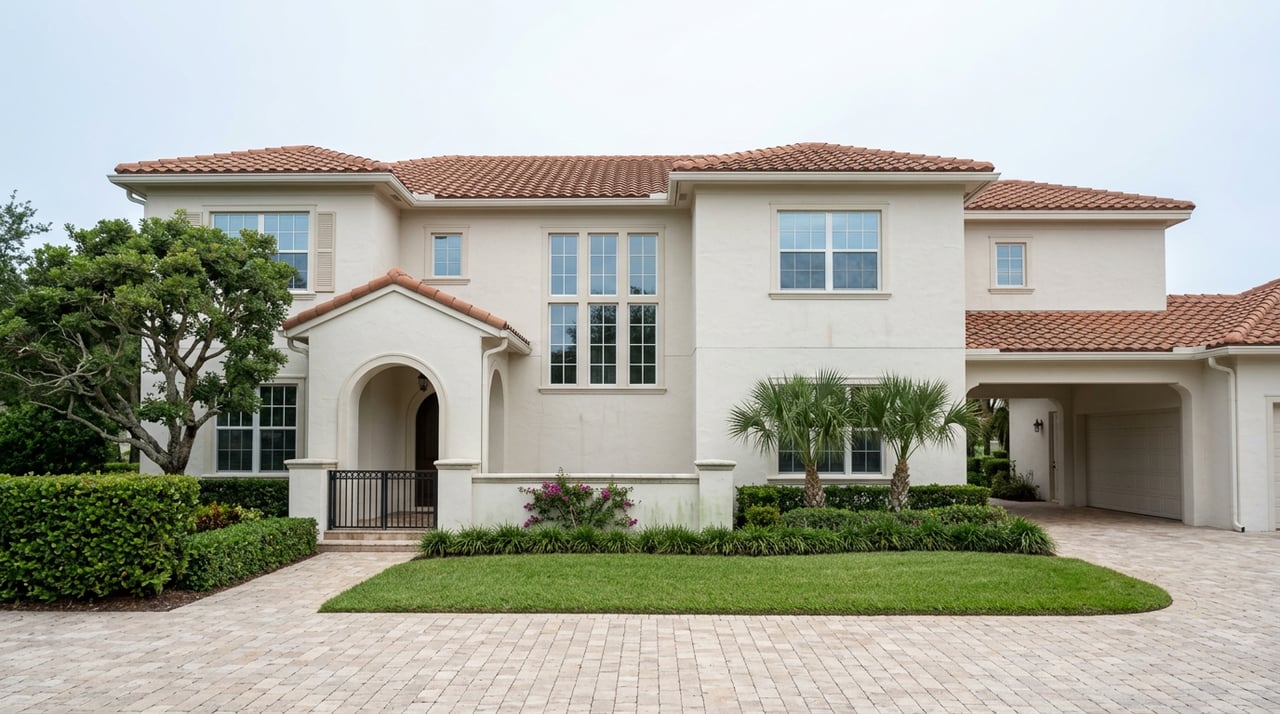
Estate homeowners are responsible for everything outside and in, including roof, pool, landscaping, HVAC, driveway, and any seawall or dock if waterfront. Some gated or golf communities charge modest HOA fees for common-area services. Insurance is typically an HO-3 or HO-5 policy, and separate flood insurance may be required if the property is in a flood zone.
Bottom line: condos trade higher, more predictable monthly fees for convenience. Estates offer control and privacy, but costs vary by the season and by system.
Space, privacy, and lifestyle
Condos deliver vertical living with neighbors nearby. You gain convenience, security, and on-site services, often with excellent walkability to dining and beaches in Old Naples and Park Shore.
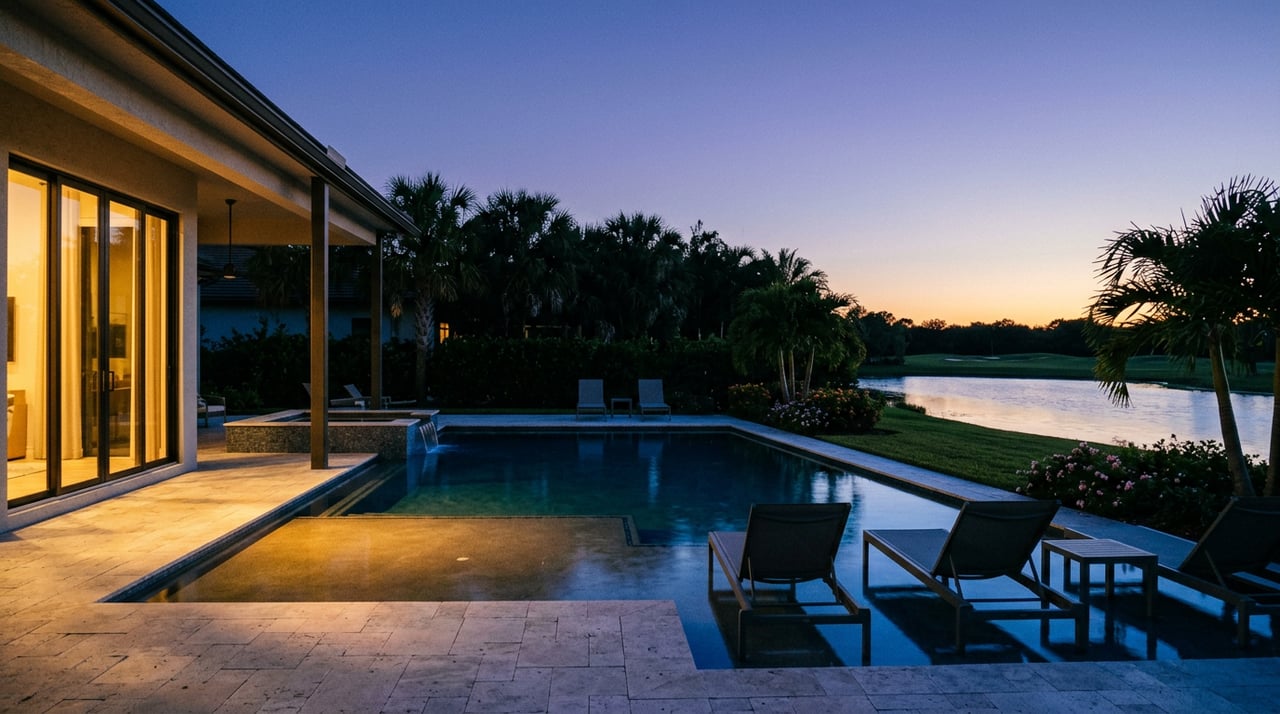
Estate homes provide private yards, larger garages, and room to host. If you value outdoor living, gardening, a custom pool lanai, or space for guests, a single-family estate will feel more flexible. Many families also appreciate yard space and neighborhood amenities.
Choose what fits your daily rhythm. If you prefer lock-and-leave with services and walkability, lean condo. If you want to shape your outdoor environment and enjoy greater separation, lean estate.
Amenities and services
Luxury towers often feel like five-star resorts. Common features include 24/7 security, staffed lobbies or concierge, valet parking, multiple pools, spa services, fitness centers and classes, owners’ lounges, and on-site dining. These services can justify higher association fees for many buyers.
Estate amenities are either private at home or accessed through membership clubs. In Naples, that might include golf or beach clubs in communities like Pelican Bay or Bay Colony, or golf-centric estates in Grey Oaks and Mediterra. Memberships add separate dues, so factor them into your annual plan.
Views and waterfront access
High floors in Gulf-front or bay-view towers deliver panoramic vistas that ground-level homes rarely match. Views are a major pricing driver in luxury condos, and upper floors can command significant premiums.
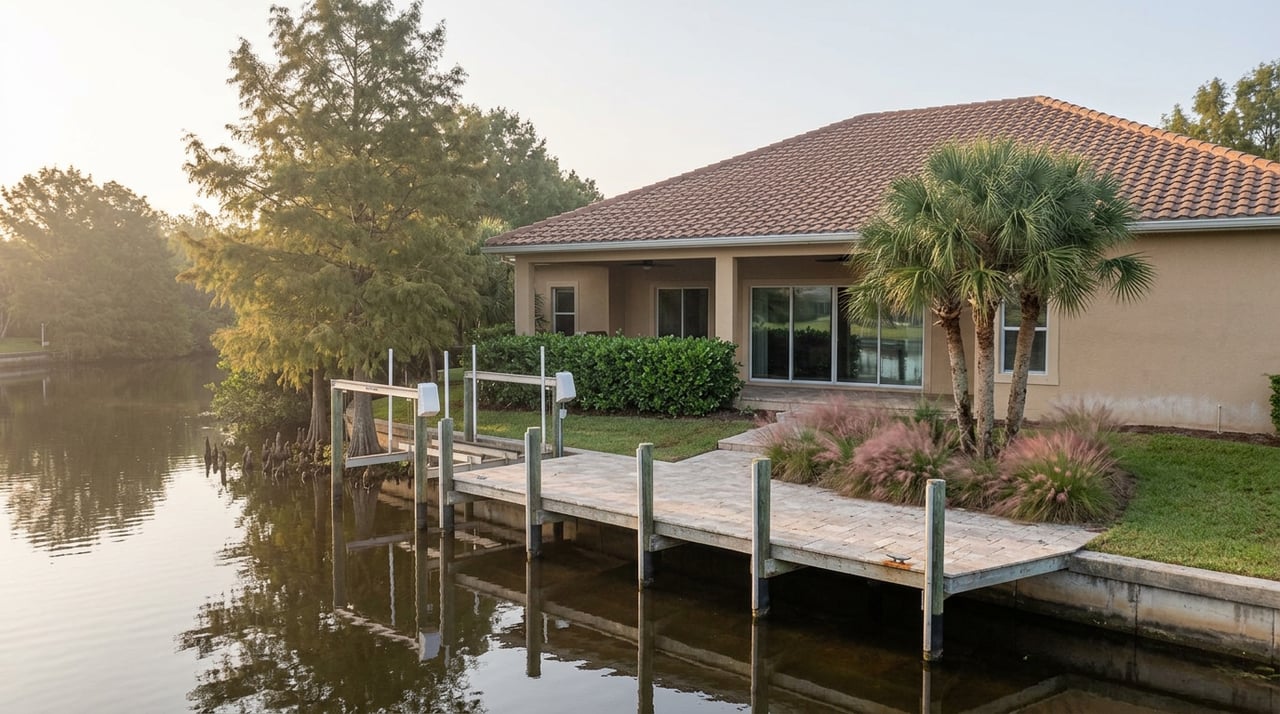
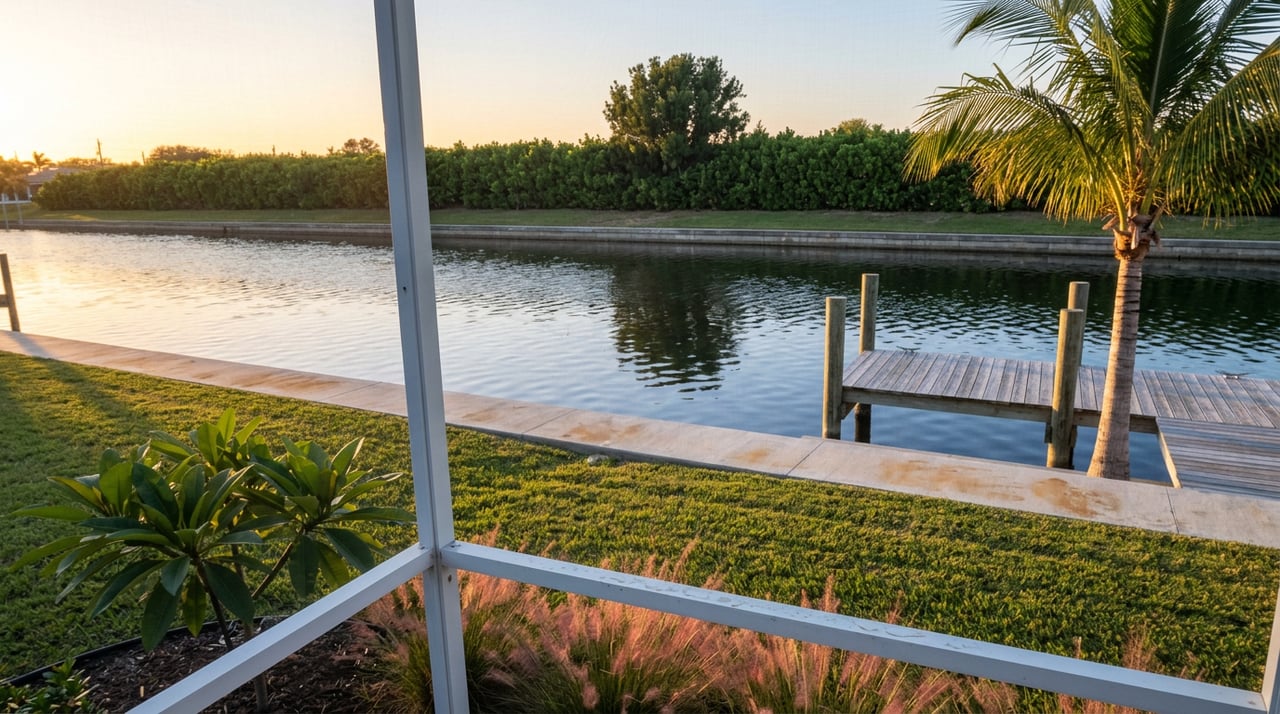
Waterfront estates excel in private, direct access to Naples Bay and the Gulf via Gordon Pass. If you own a larger boat, a private dock with the right depth and lift capacity is a strong advantage. For navigation planning and local depths, consult NOAA nautical charts for Naples and Gordon Pass.
Before you buy a waterfront estate, evaluate the dock size and permits, water depth at mean low tide, seawall age and condition, and lift capacity. For condos with marina options, confirm slip availability, deeded ownership or membership terms, and boat size limits.
Insurance, flood, and hurricane exposure
Many desirable coastal and waterfront properties sit within FEMA flood zones such as AE or V. Lenders typically require flood insurance for properties in mapped flood areas, and premiums depend on elevation and risk. Review the parcel’s status using the FEMA Flood Map Service Center and ask for an elevation certificate if available.
Florida wind and hurricane deductibles are often percentage-based, which can significantly affect out-of-pocket exposure after a storm. Condo associations carry a master policy, but deductibles or uncovered losses can be allocated to unit owners. Make sure your HO-6 includes loss assessment coverage. For background on policy structure and state guidance, review the Florida Office of Insurance Regulation and the role of the Citizens Property Insurance Corporation, the insurer of last resort.
Action step: get quotes early. Insurance costs change with underwriting, building age, construction type, and elevation. Review condo master policy declarations, deductibles, and reserves before you submit an offer.
Resale, liquidity, and rules
Prime Gulf-front condos and downtown locations appeal to a wide audience, but resale can be shaped by association health, capital improvements, and fee levels. Some buyers avoid older buildings without updated systems or strong reserves. Rental caps, age restrictions, and pet policies also matter for future demand.
Exceptional estates in premier neighborhoods can enjoy scarcity value and strong buyer interest, although the ultra-luxury segment has a narrower pool. Short-term rental rules differ by municipality and by association, so confirm current policies early in your search. Market context is best monitored through Naples Area Board of REALTORS updates and Florida Realtors market research.
Neighborhood and lifestyle fit in Naples
- Old Naples and 3rd Street South. Walkable access to beaches, dining, shops, and culture. Luxury condos and cottages place you close to Naples Pier and downtown.
- Port Royal and Aqualane Shores. Signature estate neighborhoods with large waterfront lots, private docks, and direct Gulf access via Naples Bay and Gordon Pass.
- Park Shore, The Moorings, and Naples Beaches. A mix of beachfront towers and single-family homes, with many buildings offering Gulf views and beach access.
- Pelican Bay, Bay Colony, Grey Oaks, and Mediterra. High-end communities with golf, tennis, private clubs, and a blend of condos, villas, and estate homes.
- Marco Island. A barrier-island setting within Collier County with a strong boating culture, marinas, and a range of condos and waterfront homes.
Quick decision guide
Prioritize a luxury condo if you:
- Want low-maintenance, lock-and-leave living with concierge and security.
- Value elevated Gulf or bay views and walkability to dining and beaches.
- Prefer predictable monthly fees that include amenities and exterior upkeep.
Prioritize an estate home if you:
- Need private outdoor space, a custom pool lanai, guest suites, and larger garages.
- Want a private dock and direct boating access or plan to customize heavily.
- Are comfortable managing variable maintenance with more privacy and control.
Consider hybrid options:
- Villas or townhomes with partial exterior maintenance can offer a middle ground.
- Condo communities with deeded slips or marina membership can pair lock-and-leave living with boating access. Verify slip ownership, transfer rules, and size limits.
Due diligence checklists
Use these steps to avoid surprises and align your purchase with your goals.
General questions
- What is your primary purpose for the property: full-time, seasonal, or rental use?
- How long do you plan to keep it? Your resale horizon should shape the choice.
- Any mobility considerations for stairs, elevators, or distance to amenities?
For condos
- Obtain and review all association documents: bylaws, declaration, rules, recent meeting minutes, and resale disclosures.
- Analyze the budget and reserve study. Confirm inclusions, fee structure, and any pending or recent special assessments.
- Request the master insurance declarations. Confirm coverage scope, wind/hurricane deductibles, and how loss assessments are allocated.
- Review building systems and updates: roof, windows, elevators, pool equipment, and structural work.
- Confirm rental restrictions, minimum terms, any waiting periods, and approval processes.
- Verify parking, storage, guest policies, pet rules, and any marina or slip arrangements.
- Ask for the building’s hurricane and evacuation plan.
For estate homes, especially waterfront
- Verify flood zone via the FEMA Flood Map Service Center and request an elevation certificate if available.
- Inspect seawall and dock: age, materials, permits, recent repairs, lift capacity, and depth at mean low tide. Get contractor estimates for nearing end-of-life components.
- Evaluate roof age, HVAC condition, pool surface and equipment, and septic versus sewer connections.
- Research utility easements and nearby development potential for future impact.
- Consider noise and traffic patterns relative to commercial areas and marinas.
Insurance and finance
- Get early quotes for property and flood insurance. Confirm hurricane deductible structures and any potential condo loss assessments with your agent. For background, see the Florida Office of Insurance Regulation and Citizens Property Insurance Corporation.
- Ask your lender about underwriting differences for condos versus single-family homes.
- Confirm homestead eligibility and tax details through the Collier County Property Appraiser.
Lifestyle and rules
- Confirm pets, vehicle and guest parking, exterior modifications, and short-term rental rules for the community.
- For boating: verify slip transferability, size limits, and any seasonal restrictions. For navigation context, check NOAA nautical charts.
Your next step
There is no one-size-fits-all answer in Naples. The right choice aligns your priorities with property-specific facts: fees and reserves, construction and elevation, dock details, club memberships, and neighborhood characteristics. If you want a clear, numbers-backed path to the lifestyle you envision, let us guide the process and coordinate the details from first showing to a smooth closing.
Start a personalized plan with the MJ Team. Our boutique, high-touch approach, deep waterfront expertise, and vetted partners help you compare options with confidence and move forward decisively.
FAQs
How much are HOA fees for Naples luxury condos?
- Fees vary widely by building and services. Review the current budget, reserve study, and inclusions to understand what you get and whether assessments are likely.
How do hurricane and flood claims work for condos in Florida?
- Associations carry a master policy that may allocate deductibles or uncovered losses to unit owners. Your HO-6 should align with the master policy and include loss assessment coverage. Flood insurance is separate and may be required by lenders.
Can I rent my Naples condo or estate home short term?
- Rules vary by municipality and association. Confirm minimum rental terms, caps, and approval processes in the governing documents before you buy.
Will my condo view be protected from future construction?
- Research nearby parcels, zoning, and any approved projects with local planning and building departments. Start with the City of Naples Building Department for permits and guidance.
What does a seawall or dock replacement cost in Naples?
- Costs depend on linear footage, materials, permits, and site conditions. Always obtain local contractor estimates and review any recorded permits or prior work on the property.