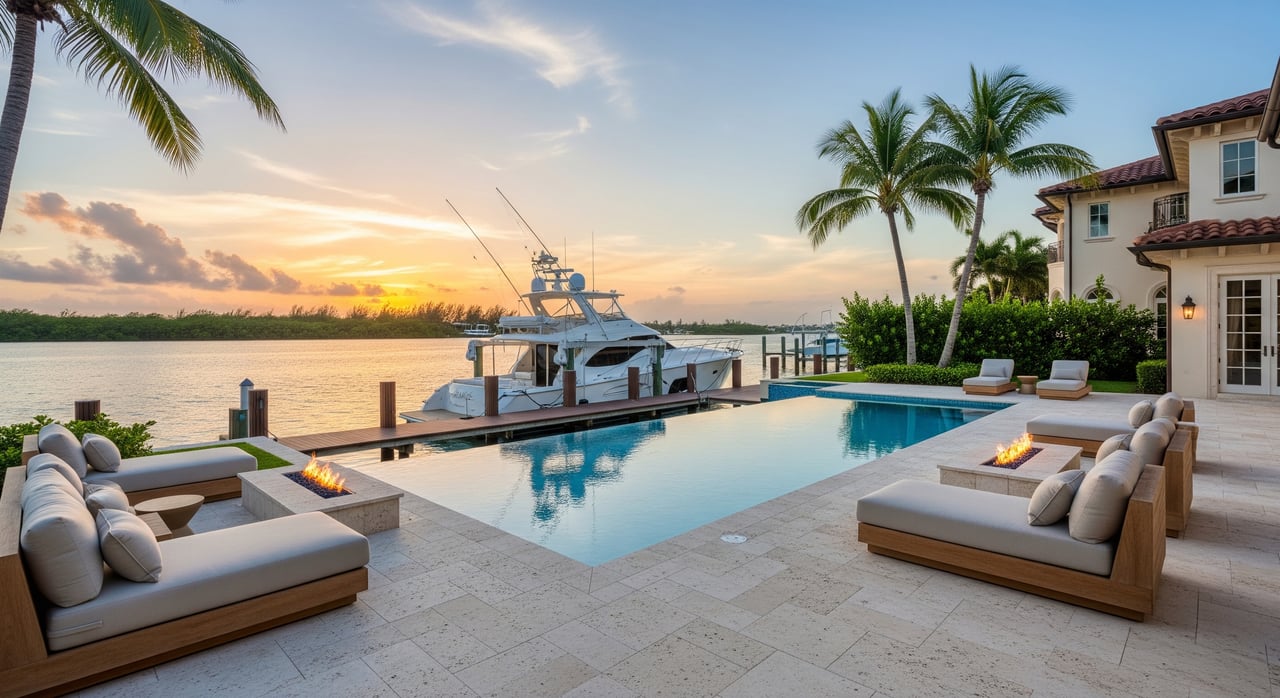
Ever wonder what a typical day looks like when your backyard is the Gulf of Mexico or a quiet Naples canal? If you’re picturing coffee on the dock, sandy sunrise walks, and sunset boat rides, you’re on the right track. Waterfront life in Naples comes in a few flavors, and each one shapes your routine, your weekend plans, and even the gear you keep in your garage. In this guide, you’ll see how daily life actually flows across Naples’ gulf-front, bay, and canal communities, plus the practical details that help you choose the right fit. Let’s dive in.
Waterfront living in Naples, defined
Naples waterfront covers several settings, and each brings a different feel. Gulf-front homes and condos line the shoreline near Old Naples and along Gulf Shore Boulevard, where you step onto sand and plan your evening around sunset. Back-bay and bayou spots on Naples Bay, Royal Harbor, and the Gordon Pass area offer sheltered waters and private docks. Canal-front homes in places like Park Shore, Pelican Bay, and Moorings connect to the bay or Gulf and are popular with boaters who want calm water and quick access.
If you have a large yacht or want immediate deep-water access, estates in Port Royal and select Naples Bay locations are designed for that lifestyle. Older neighborhoods, including Old Naples and Park Shore, mix classic homes with newer builds. Many have seawalls and docks that reflect different eras, so understanding condition and upgrade history matters.
Morning rhythms by the water
Your morning often matches your water. On the Gulf, you start slow with a beach walk near Naples Pier or Lowdermilk Park, then grab a coffee downtown on 5th Avenue South or 3rd Street South. The Gulf shines at sunset, so mornings are about calm sand and sea air.
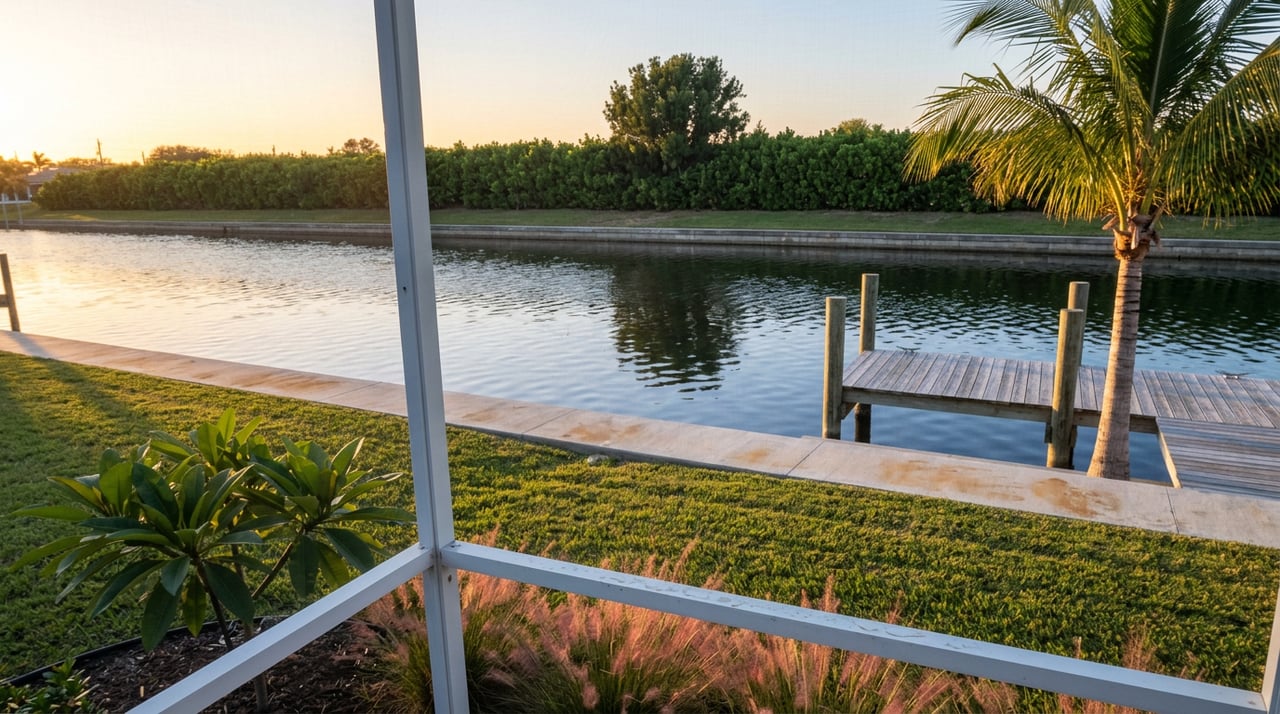
On canals and bays, mornings begin on the dock. You check the tide, glance at the weather, maybe cast a line, and prep the boat for a quick cruise. Outdoor-first routines are common across all waterfronts. You might stretch on the patio, take the dog out along quiet streets, or dip into the water if your community offers direct access.
Boating access and culture
Boating anchors daily life for many waterfront owners. The style of your home and your waterway shape how you use your boat and how often you head out.
Dock types and boat sizes
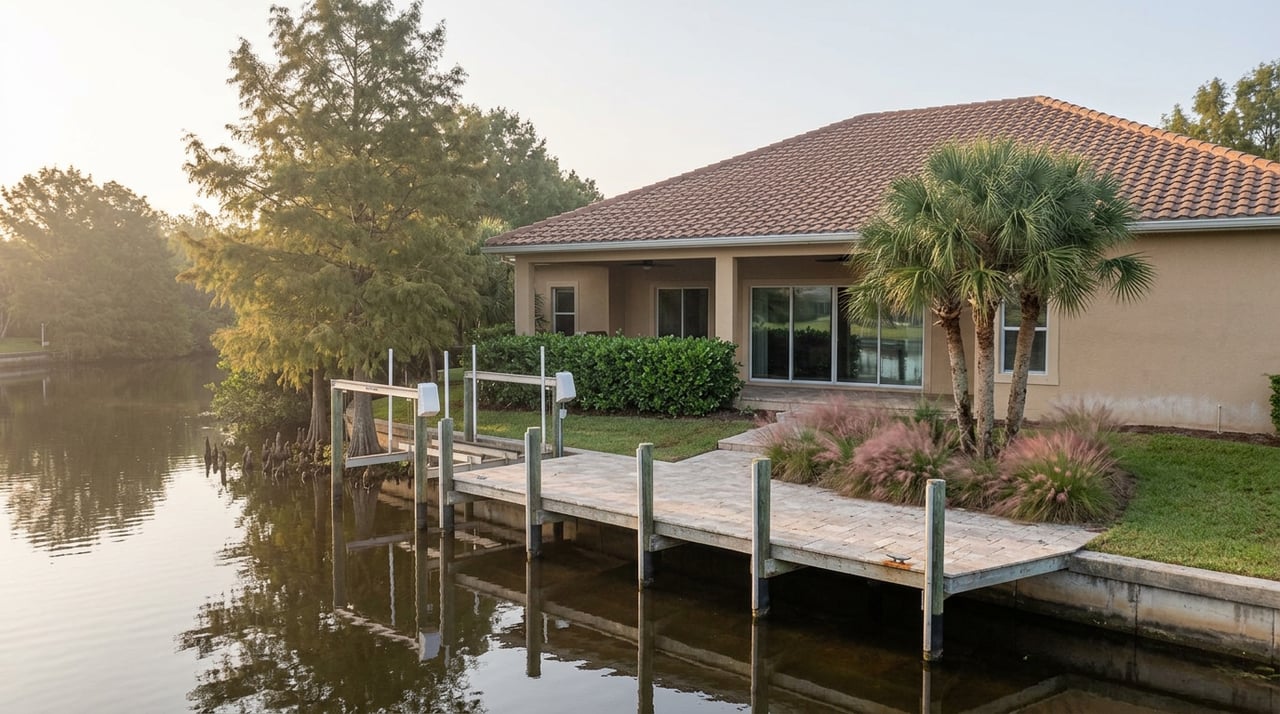
Private docks are typical across Naples waterfront neighborhoods. Dock features vary, from simple slips to lifts and platforms sized for fishing boats or center consoles. On canal and bay homes, lot width and water depth affect what you can keep at your dock. In deep-water areas like Port Royal, docks are built to handle larger vessels. If you love paddleboarding or kayaking, calm canals and mangrove-lined back bays offer protected routes that fit into a lunch break.
Getting to the Gulf
If you live on the Gulf or have direct deep-water access, you can be into open water quickly. Canal and bay residents often pass through local inlets near the Gordon Pass area. That means learning local markers and tide patterns. Day trips to the Ten Thousand Islands or Marco Island are popular when weather cooperates.
Rules and safety basics
Naples waterways include manatee protection and no-wake zones, plus posted speed limits. Seasonal demand can tighten supply at marinas and public ramps. Many residents keep to a maintenance schedule for lifts and engines, plan fuel stops, and follow pump-out rules. Knowing these basics keeps boating smooth and neighborly.
Beaches, shelling, and nature
If you live on the Gulf, the beach is your backyard. If you live on a canal or bay, you treat the beach like your local park. Weekend plans often include swimming, shelling after calm days, and a picnic in the late afternoon before sunset. Clam Pass and Delnor-Wiggins Pass State Park are local favorites for nature-forward beach time.
Favorite beach routines
A simple day might look like this. Morning walk, mid-day shade, and a late swim. Many residents bring a folding chair and a small cooler so they can stay flexible. If you live downtown near Old Naples, you may stroll to the sand and then head to an early dinner on 3rd Street South.
Wildlife you may see
Naples waterfront means daily sightings of shorebirds, dolphins off the beach, and occasional manatees in back bays. Many homeowners choose softer lighting on docks and avoid disrupting mangroves to respect local ecosystems. It is part of the rhythm of living near the water.
Dining, shopping, and social life
Living on the water puts you close to casual seafood spots and marina-side eateries. You also have quick access to downtown dining and galleries on 5th Avenue South and 3rd Street South. Social life in waterfront neighborhoods often runs through yacht clubs, private beach clubs, and seasonal events.
Farmers markets and local festivals add a fun rhythm in high season. In low season, you will find shorter waits and more last-minute plans. Either way, many days end the same way. You head to the sand for sunset.
Home types and amenities
Naples offers a spectrum of waterfront homes. The best fit depends on how you plan to use the water, what size boat you own, and how much maintenance you want to take on.
Gulf-front options
Gulf-front living includes a mix of condos and single-family homes. Many condos offer direct beach access and managed amenities, which reduces your maintenance list. If you love sand first and boating second, this can be ideal. If a boat is essential, a condo with a marina partnership or a home with a dock on the bay might suit you better.
Canal and bay homes
Canal and bayfront homes are classic Naples. You will see private docks, boat lifts, and seawalls, plus a variety of lot sizes. The width and depth of the canal matter for boat choice and dock size. These homes are about dock-based living. You prep the boat in the morning and choose your route based on tide and time.
Deep-water estates
If you need bigger-water access, Port Royal and select Naples Bay properties are designed for deep-water docking and direct runs to the Gulf. These are luxury-tier options with space for larger yachts and a lifestyle that centers on the water.
Amenities buyers value
When you tour homes, focus on the features that shape everyday life:
- Private dock capacity and boatlift size.
- Seawall condition and maintenance records.
- Elevation and finished floor height for flood resilience.
- HOA or condo rules for dock use, rentals, and guests.
- Walkability to restaurants, shops, and beach access.
- Storage for boards, kayaks, and fishing gear.
Costs, insurance, and upkeep
Waterfront properties carry a premium compared to similar inland homes. The exact premium depends on the water access type, location, and lot size. Budget for insurance and ongoing maintenance that reflects coastal exposure.
Insurance and flood factors
Many waterfront homes sit in mapped flood zones where lenders require flood insurance. Premiums vary by elevation, flood zone, and coverage limits. Homeowners often carry wind and hurricane coverage that reflects coastal risk. Florida’s insurance market can change over time, so it is smart to get quotes early in your search and update them with each property you consider.
Saltwater maintenance checklist
Salt air and sun ask more of your home and systems. Plan for:
- Seawall inspections and repairs at regular intervals.
- Dock and lift servicing on a set schedule.
- HVAC and metal fixture care to prevent corrosion.
- Landscaping that handles sandy soils and salt spray.
- Preventive treatments for wood-borers and termites.
A simple approach helps. Build a vendor list, set reminders, and keep records. Many owners create a seasonal checklist so nothing gets missed.
Storm and permitting basics
Naples is in a hurricane-prone region, with a season that runs from June to November. Preparation and good information are part of responsible waterfront ownership.
Hurricane preparedness
Before you buy, confirm the home’s elevation, any flood vents, and the rating of windows and doors. Ask about permanent shutters, generator setup, and documented retrofits. Review evacuation zones and keep a simple plan for securing boats and outdoor areas. Good preparation gives you peace of mind and can influence insurance costs.
Docks and seawall permits
Work on docks, boat lifts, and seawalls usually requires permits. Certain projects can involve county approvals and state-level reviews. Activity that affects mangroves or work below the high-water line can trigger additional oversight. If you plan to build or expand a dock, involve a local marine contractor early and confirm what is allowed before you design.
Getting around and seasons
Naples rewards those who plan around the calendar and the clock. Your routine will feel different in January than in August, and that is part of the charm.
Airport and access
Seasonal residents commonly use Southwest Florida International Airport for travel. Depending on where you live and traffic, the drive generally takes about 30 to 60 minutes. In winter, roads to downtown and the beaches can run busy. Many waterfront residents rely on walking or boating for local leisure trips.
High season vs low season
High season runs roughly November through April, when more residents are in town and calendars are full. Expect more energy at restaurants, marinas, and events. In low season, you get easier reservations and more open beaches, balanced with hotter afternoons and the need to watch the tropics.
Privacy and noise trade-offs
Not all waterfront is equally quiet. Protected canals and tucked-away bays usually feel calmer. Marina-adjacent areas can be livelier, and downtown beaches attract visitors, especially in season. Gulf-front homes may trade some privacy for world-class sunset views and beach access nearby. Think about what matters most to you during a normal week.
How to choose your spot
Use this simple process to narrow your search and avoid surprises:
- Define your water use. Deep-sea fishing weekends or paddles after dinner. Pick based on actual habits.
- Match boat to dock. Confirm canal depth, lift size, and route to the Gulf. Ask about bridges and tides.
- Check the bones. Review seawall condition, elevation, and wind-rated openings. Ask for maintenance records.
- Confirm rules. Read HOA or condo policies on docks, storage, rentals, and guests.
- Plan the budget. Request insurance quotes and set a maintenance schedule you can keep.
- Map your day. Walk to the beach, test the drive to dinner, and plan a boat run to see how long it takes.
- Think seasons. Visit in both high and low season if possible, or ask for local insight on how the area changes.
Ready to explore Naples waterfront?
If waterfront living is calling you, you deserve a guide who understands both the dream and the details. Our boutique team specializes in gulf-front, gulf-access, and deep-water properties across Naples and the greater Southwest Florida coast. We pair relationship-first service with coordinated transaction management, so you can focus on the lifestyle while we manage the steps. When you are ready, connect with the MJ Team to start a focused, confident search.
FAQs
What types of waterfront are in Naples?
- Gulf-front beaches, back bays and bayous, and canal systems that connect to the Gulf through local passes.
How does boating access differ by neighborhood?
- Deep-water areas like Port Royal offer quick Gulf runs, while canal and bay homes may navigate passes and watch tide schedules.
What costs are unique to waterfront homes?
- Expect a purchase premium, higher insurance in many cases, and ongoing seawall, dock, lift, and corrosion-related maintenance.
Do I need flood insurance in Naples?
- If the home sits in a mapped flood zone and you finance with a lender, flood insurance is typically required, with premiums based on risk factors.
Can I build or expand a dock on a canal home?
- Most dock and seawall projects require permits, and environmental rules can shape design, so involve a local marine contractor early.
What is high season like on the waterfront?
- From November to April you will see more activity at restaurants and marinas, plus a full calendar of community events and social gatherings.
How far is Naples from the main airport?
- Southwest Florida International Airport is commonly 30 to 60 minutes away, depending on your exact location and traffic conditions.
What should I look for in seawalls and docks?
- Review age, visible wear, and maintenance records, and schedule inspections for structural integrity and lift functionality before you buy.