Thinking about renting your Marco Island second home for the season? You are not alone. Many owners want a simple way to offset carrying costs without giving up the lifestyle they love. In this guide, you will learn how to choose a rental format that fits your plans, what rules and taxes apply, which property types work well, and how to prepare for hurricane season while protecting your investment. Let’s dive in.
Know the rules and taxes first
Confirm address and licensing
Before you take bookings, confirm where your property sits and what licenses you need. Florida treats most short-term rentals as public lodging. If you rent more than three times in a year for periods under 30 days, you generally need a DBPR public lodging license under Chapter 509 of the Florida Statutes. Review the state rules in the official statute for details: Florida Chapter 509 public lodging.
Marco Island properties are inside the City of Marco Island. Collier County’s short-term rental registration program applies to unincorporated areas, and city properties are exempt. Check the county resource and verify your address before you register: Collier County short-term rental info.
The City of Marco Island explored its own registration program, but a later state law change paused enforcement. As of now, owners should follow state DBPR licensing and tax rules, plus any HOA or condo rules. You can read a summary of the policy change here: Marco Island ordinance status overview.
Register for state and county taxes
Short-term lodging is generally subject to Florida’s 6 percent state sales tax. Confirm filing and collection steps with the Department of Revenue: Florida sales and use tax basics.
Collier County also imposes a 5 percent Tourist Development Tax on rentals of six months or less. The county reviews this tax from time to time, so check for updates and register for filings with the local office: Collier County tourist tax context.
Practical tip: Some online platforms collect and remit certain taxes for you. You are still responsible for compliance and for paying any taxes not handled by the platform. Verify which taxes are covered for bookings in Collier County.
Choose a rental format that fits your lifestyle
Monthly seasonal (snowbird) leases
If you want fewer turnovers and steady winter income, monthly seasonal leases from November through April can be ideal. Many winter visitors plan extended stays, and you can align your own personal use with quieter spring or summer months. This format reduces cleaning cycles and can simplify guest support.
Nightly and weekly stays
If you prefer to maximize peak rates, nightly or weekly bookings often deliver higher revenue during high season. This model takes more hands-on work. Expect more frequent cleanings, guest messaging, and maintenance calls. If you hire full-service management, budget for a fee in the mid-teens to mid-twenties percent of gross revenue. See general fee ranges and included services here: Florida property management overview.
Hybrid calendar
A hybrid approach lets you reserve personal weeks and release the rest to the market. Track personal days versus rental days carefully, because it can change your tax treatment. The IRS explains how mixed personal and rental use affects deductions and reporting: IRS Publication 527.
Pick the right property type
Condos and HOA rules
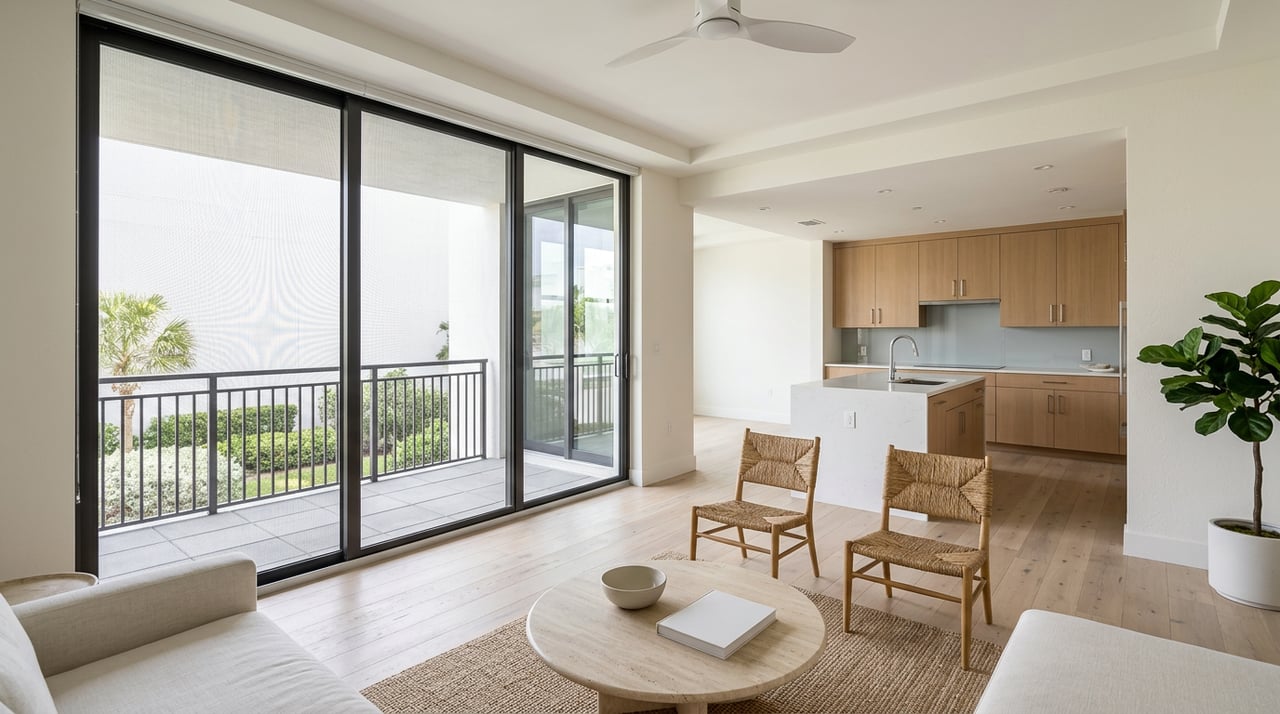
Condos dominate Marco Island’s rental supply. Buildings with pools, elevators, beach access and secure parking are popular with guests. The most important step is to confirm the association’s rental policy. Minimum stay rules, the number of allowed rentals per year, and approval processes can make or break a plan. Always review the bylaws before you count on nightly or weekly bookings.
Single-family and pool homes
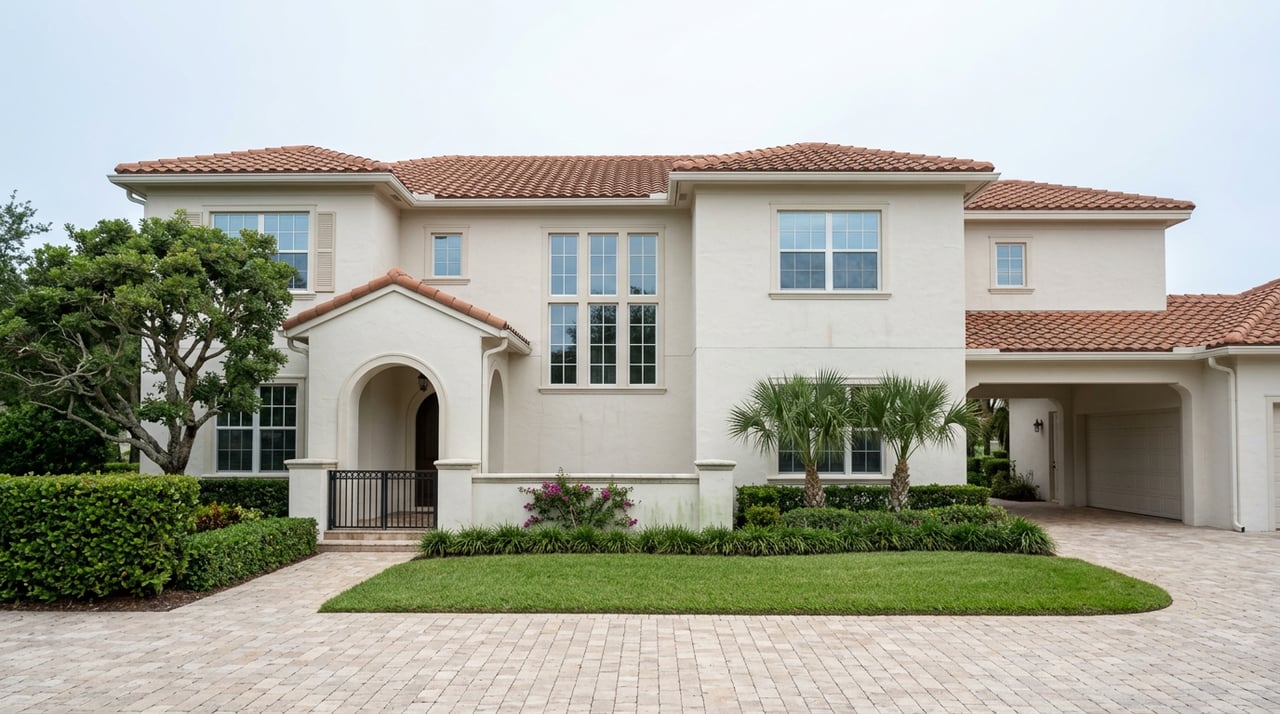
Homes with private pools or extra space attract families and small groups. They tend to command higher nightly rates than many condos but come with more maintenance and insurance exposure. Plan for pool care, landscaping, and faster wear in coastal conditions.
Waterfront and dock access
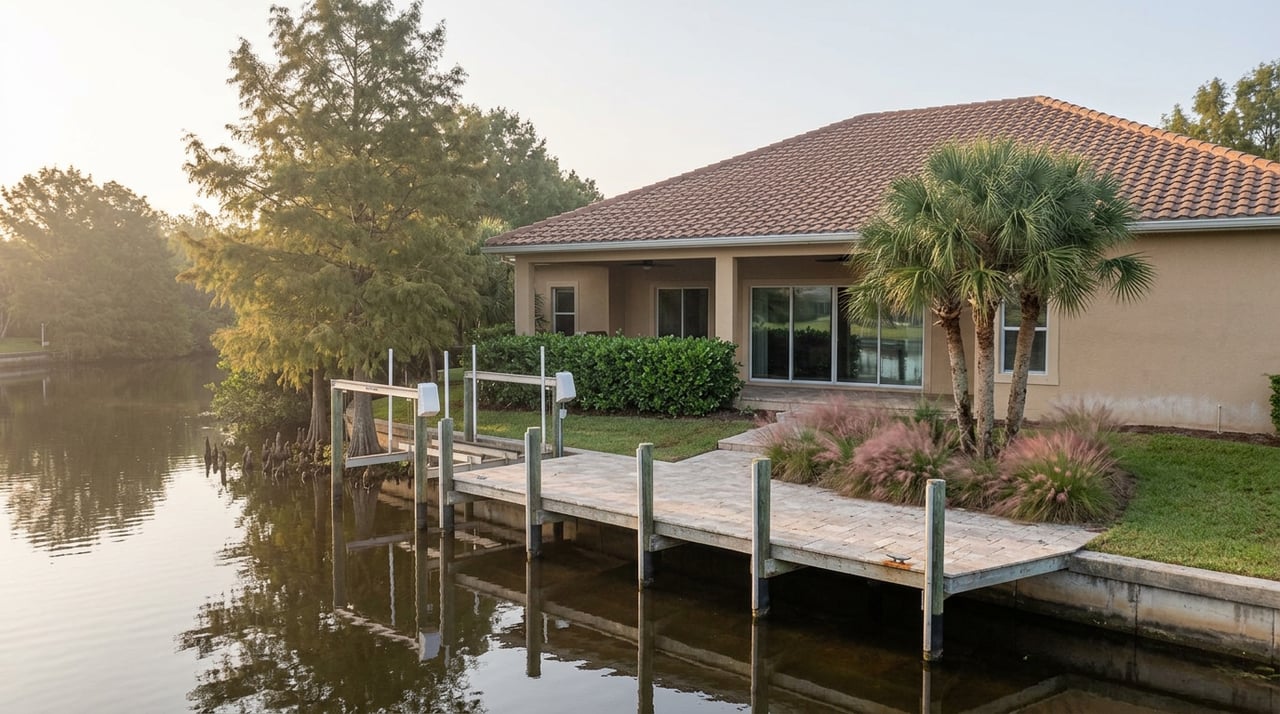
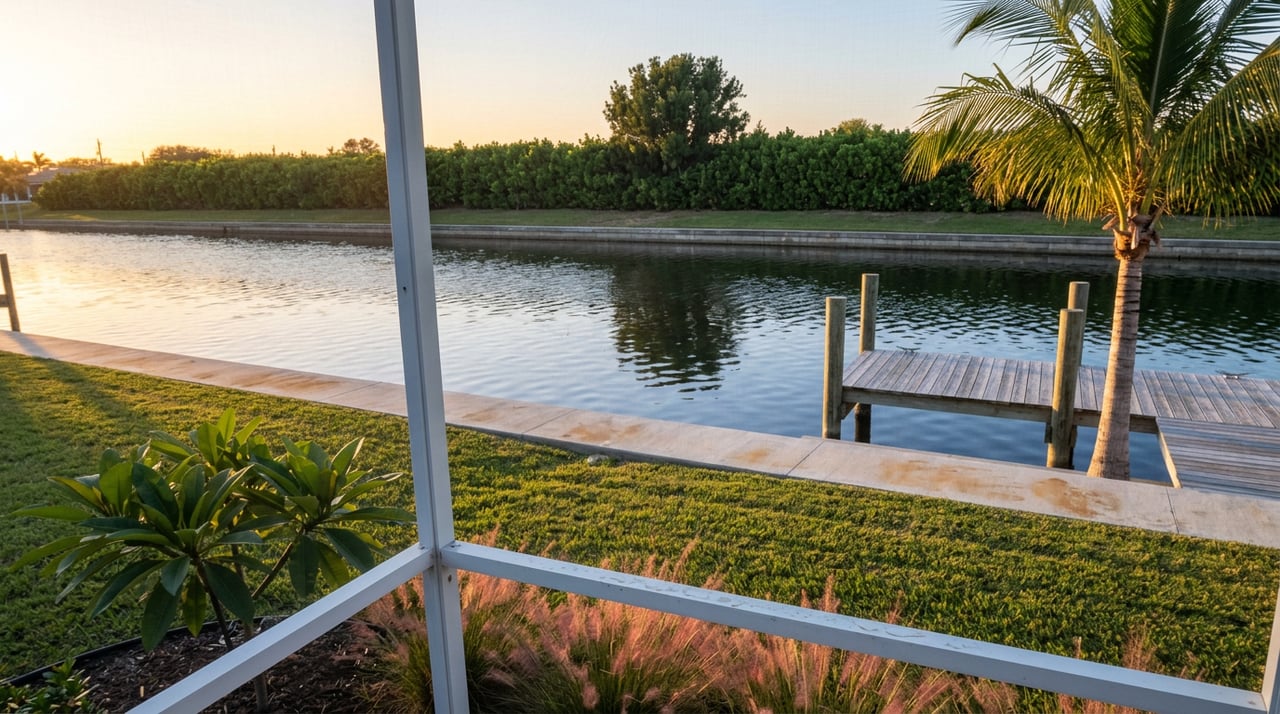
If your property offers gulf access or a private dock, you can appeal to boaters and anglers. These homes are a premium niche and often capture higher average daily rates. Balance that potential with seawall, dock and insurance costs so your numbers stay conservative.
What guests expect on Marco Island
Set your property up so guests feel cared for and you limit wear and tear.
- Reliable high-speed Wi‑Fi and strong AC
- A well-equipped kitchen with modern appliances
- In‑unit washer and dryer, or easy access
- Clear parking and check-in instructions (keyless entry is a plus)
- Beach gear like chairs, towels, umbrellas and a cooler
- Outdoor space for sunrise coffee or sunset views
For a national view of top-requested amenities and why they drive bookings, see this overview: Most-requested vacation rental amenities.
Plan around seasonality and demand
High season focus
Marco Island follows a classic Southwest Florida rhythm. Winter is high season, with the strongest demand running roughly November through April. Many owners earn a large share of annual income in this window and keep the summer months open for personal use or maintenance.
Occupancy and rate patterns
Short-term rentals here tend to achieve their best occupancy and rates in winter. Rates and occupancy often soften in late summer and during hurricane season. Market snapshots for comparable units have shown mid-60 percent occupancy in some cases, with wide variation based on size and waterfront status. See a sample market view: Marco Island STR snapshot.
Budget for real costs and reduce friction
Core operating costs
Build a realistic budget so the property supports itself in strong and soft months alike.
- Management fees. Full-service short-term management commonly ranges from the mid-teens to mid-twenties percent of gross revenue. Review what is included, like 24/7 guest support, maintenance coordination and listing optimization. Reference: property management overview.
- Cleaning and turnovers. Each stay triggers a cleaning, laundry and supply reset. Fewer turnovers in monthly seasonal models lower these costs.
- Utilities, HOA fees and property taxes. Price your nightly or monthly rates to cover fixed expenses during vacancy.
- Maintenance reserve. Set aside a healthy reserve for replacements and repairs, especially for older or waterfront homes. Many owners test both 1 percent of property value and 5 to 10 percent of gross revenue to see which buffer feels right.
- Insurance. Short-term rental activity may require special endorsements or a dedicated policy. Platform protections are not a replacement for real coverage. See a practical overview: short-term rental insurance basics.
- Transaction and platform fees. Factor in credit card processing and marketplace fees.
Wear-and-tear planning
Choose durable, coastal-rated finishes and washable fabrics. Stock extra linens and towels, use mattress and sofa protectors, and set clear house rules about sand and gear. A reliable housekeeping partner and a simple inventory system will lower replacements and guest calls.
Hurricane and flood readiness
Insurance lines and coverage
Review your policy for business activity and make sure you have the right coverage for wind, storm surge and flood risk. Many coastal properties need separate flood insurance through NFIP or a private carrier. Confirm deductibles and what perils are covered before you open your calendar.
Seasonal prep and guest communication
Plan ahead for June 1 through November 30. Set clear cancellation and storm policies, keep a vendor list for board-up and post-storm work, and make sure guests know what to do if a storm approaches. For official season timing and updates, use the National Hurricane Center: Atlantic hurricane season information.
A simple framework to model returns
Use conservative numbers first, then tighten with real comps.
- Estimate occupancy by season. Block out Nov–Apr at higher occupancy and price, and discount late summer. Cross-check with a local manager’s calendar if you can.
- Set average daily rate or monthly rent by season. Price waterfront and larger homes higher, but keep comps in view.
- Subtract operating costs. Include management, cleaning per turnover, utilities, HOA fees, maintenance reserve, insurance, platform fees and supplies.
- Layer in taxes. Apply the Florida state sales tax (6 percent) and the Collier County tourist tax (5 percent) to short stays. Confirm filing steps and platform remittance. See state guidance: Florida sales tax and county context: Collier tourist tax.
- Plan for personal use. If you mix personal and rental days, your tax treatment changes. Review scenarios in IRS Publication 527 and speak with a CPA.
How MJ Team helps second-home owners
Your goals come first. If you want a turn-key seasonal rental, we help you target buildings and neighborhoods with rental-friendly policies, strong amenities and guest appeal. If you want a quiet winter retreat with limited rentals, we help you structure a calendar and find on-the-ground partners for cleanings and maintenance. Our network includes vetted stagers, designers, lenders and local service providers, and our transaction coordination keeps your closing smooth even if you are out of state.
From tying up the right property to navigating HOA rules, DBPR licensing and tax basics, you will have a calm, clear plan and dependable follow-through. When it is time to sell, our polished marketing and broker-to-broker distribution place your home in front of qualified seasonal and luxury buyers.
Ready to map your rental strategy on Marco Island? Reach out to the MJ Team for a local, high-touch plan that fits your lifestyle and protects your investment.
FAQs
What licenses and taxes do I need to rent my Marco Island second home?
- If you rent more than three times a year for less than 30 days, you generally need a Florida DBPR public lodging license, plus a Florida sales tax account and Collier County tourist tax registration for short stays.
Is my Marco Island property exempt from Collier County’s STR registration?
- Properties inside the City of Marco Island are exempt from the county’s short-term rental registration program, which applies to unincorporated areas; verify your address to be sure.
Which months are best for seasonal rental income on Marco Island?
- Demand usually peaks November through April, with the highest occupancy and rates in winter; summer and hurricane season often see softer demand and pricing.
Are condos or homes better for seasonal renting on Marco Island?
- Condos offer amenities and lower entry costs but may have stricter HOA rules; single-family and waterfront homes can command higher rates but require more maintenance and insurance.
How does personal use affect my taxes on a rental home?
- Mixing personal and rental days changes how you deduct expenses and report income; the IRS outlines rules in Publication 527, so plan your calendar and consult a CPA.
What insurance should I carry for a short-term rental in Southwest Florida?
- Many owners need a short-term rental endorsement or dedicated policy, plus wind and flood coverage if applicable; platform protections alone are not a substitute for real insurance.