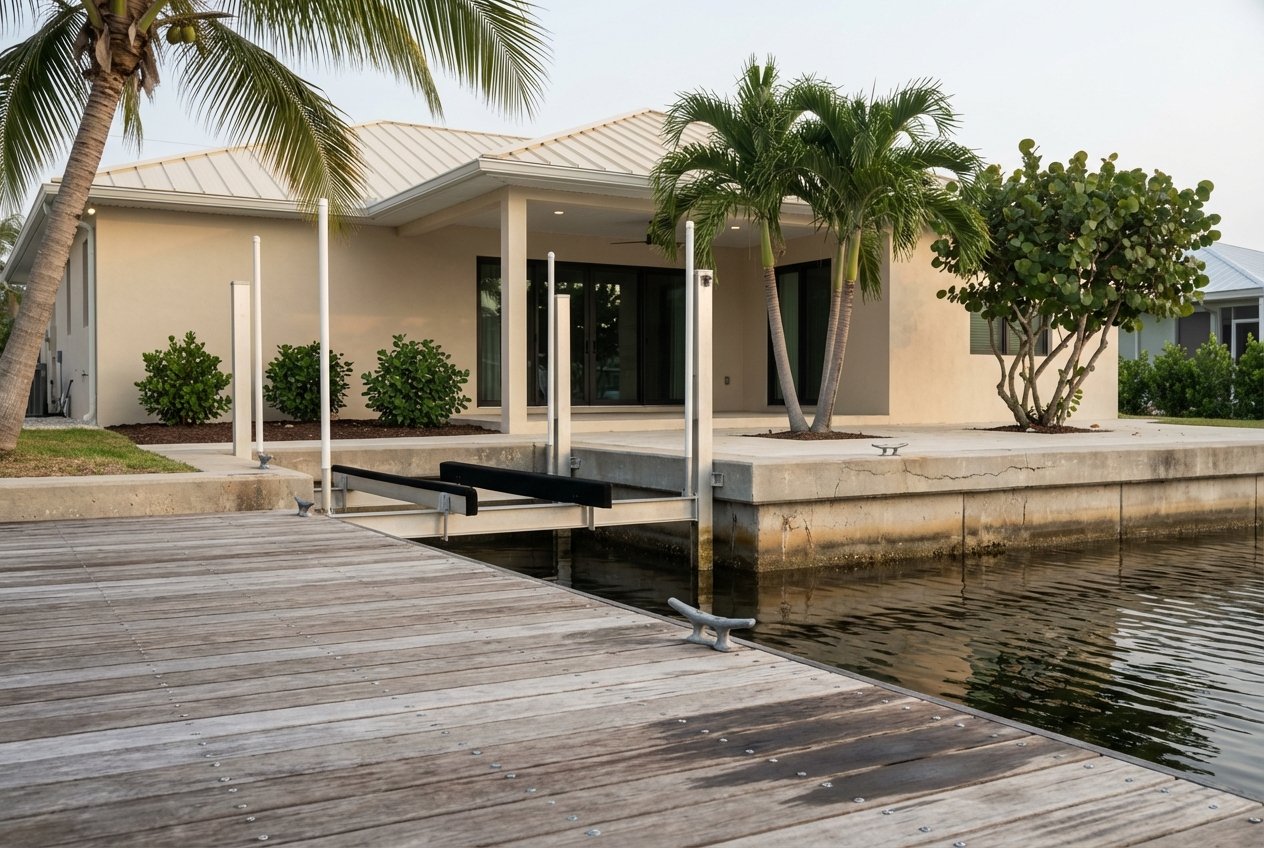
Picture this: you slip out to your lanai at sunrise, step onto your dock, and idle through glassy canals toward open water. If you’ve dreamed of living where boating is part of your daily rhythm, a gulf-access home on Marco Island makes it real. In this guide, you’ll see what a typical day looks like, which home features matter most, and what costs and logistics to plan for. Let’s dive in.
What gulf-access means on Marco Island
Gulf-access on Marco Island means your boat can reach the Gulf of Mexico by traveling local canals, bays, and the Marco River without locks. The island sits at the north end of the Ten Thousand Islands and is designed around boating, with compact distances that put nature and dining within easy reach.
Your boat’s path is shaped by canal depth, width, and bridge clearances. Marco Island has 14 bridges with varying vertical and horizontal clearances. Before you buy, study the City’s bridge‑clearance brochure. It shows measured heights at Mean High Water, which is critical if you run a towered center console, a sportfish with outriggers, or a sailboat.
A day in the life on the water
Morning launch from your dock
Most mornings start with a simple routine: coffee, provisions, and lines off. If you need fuel, ice, or a pump‑out, you can take care of it at local facilities. Many owners use the county’s main public ramp for launching or services. Caxambas Park offers launch lanes, trailer parking, and on‑site fuel and pump‑out, which keeps your prep fast and predictable.
Quick runs to the Gulf
One reason boaters love Marco: you can often be in the Gulf within minutes. If your dock sits on a deep canal with quick access to the Marco River or a pass, a 5 to 15 minute ride to open water is common. Service hubs like Safe Harbor Calusa Island Marina in nearby Goodland provide wet slips, fuel, and pump‑outs if you prefer marina life or need transient space for visiting friends.
Midday stops and sandbars
Late morning might mean a short hop to the Ten Thousand Islands for backcountry fishing, shelling, or a beach picnic. The protected waters near Rookery Bay offer birdwatching and nature viewing, and islands like Keewaydin and Sand Dollar Spit are popular for sandbar swims when the tide is right. Learn more about the area’s ecology and waterway etiquette through the Rookery Bay National Estuarine Research Reserve.
Sunset rituals
Evenings are for rinsing the boat, grilling your catch, or a quick cruise to watch the sky go orange. Many owners time sunset on the dock or lanai, and some end the day with a short walk to the beach for a quiet shoreline finish. On Marco Island, the water-to-shore rhythm becomes an easy habit.
The features that matter most
Buying gulf-access is about more than a postcard view. These features change your day-to-day boating life.
1) Bridge clearances and route
Know your exact route from dock to Gulf and list each bridge you will pass. Compare your vessel’s height to the City’s measured clearances at Mean High Water using the bridge‑clearance brochure. A few bridges are quite low, while others like the Jolley Bridge offer much higher clearance. This single factor often decides whether a home fits your boat.
2) Dock and slip details
Confirm dock length, usable depth at low tide, and whether any boat lift matches your vessel’s weight. Ask if a slip is deeded real property or a right‑to‑use on a submerged‑land lease. The difference affects transfer, fees, and resale. Verify that the dock and lift have current permits and are rated for your boat’s length and beam.
3) Seawall and shoreline condition
Seawalls are critical infrastructure. Note materials, visible cracking or settlement, and the condition of tiebacks. Replacement or major repair can be a significant capital expense, and permits are required. Review local fees and processes through the City’s building and regulations page and request recent inspection records.
4) Flood elevation and insurance
Nearly every Marco Island property is in or near a Special Flood Hazard Area. Ask for the FEMA flood zone, any Elevation Certificate, and the seller’s flood premium history. The City’s guidance on floodplain management and FEMA’s explanation of Risk Rating 2.0 show why elevation and distance to water matter for pricing. Get NFIP and private quotes early to avoid surprises.
5) Permits and title for waterfront work
Major dock, seawall, or dredging projects often need city, county, and sometimes state or U.S. Army Corps approvals. Request copies of any permits and maintenance agreements. For context on multi‑agency conditions, review an example Army Corps permit package.
6) Marina services and hurricane plan
If you plan to keep your boat in a marina, ask about dockmaster hours, fueling, pump‑outs, haul‑out capacity, and how they secure vessels during storms. After Hurricane Ian in 2022, some facilities upgraded equipment and adjusted procedures. The City’s Hurricane Ian press release underscores why a clear hurricane plan matters.
7) Canal traffic, wakes, and water movement
Each canal has a personality. End‑of‑canal lots may be quieter with less through traffic, while through‑canals can have better circulation but busier daytime traffic. Marco Island has broad idle speed and no‑wake rules in interior waters. Factor typical boat traffic into your daily plans and preferences.
Costs and maintenance to plan for
Purchase price context
Public market snapshots show Marco Island single‑family and condo values sitting in the high six‑figure to low seven‑figure range as of early 2026. Exact pricing moves with the market, property age, condition, and water access. Ask your agent for current neighborhood‑level comps when you are serious about a property.
Seawall and dock capital
Seawall work varies widely based on materials, access, and permitting. Industry ranges often run from a few hundred to over a thousand dollars per linear foot. Use these as planning ranges and confirm with local contractors. For an overview of factors that drive cost, review this seawall cost guide.
Insurance and elevation
Flood and wind coverage is property specific. Under FEMA’s Risk Rating 2.0, premiums consider elevation, construction, and distance to water. Obtain NFIP and private flood quotes during due diligence and ask the seller for policy history. FEMA’s Risk Rating 2.0 explainer can help you understand the variables.
Storm readiness and recovery
Marco Island experienced significant surge and damage during Hurricane Ian. Waterfront owners typically budget for post‑storm inspections, potential seawall or dock repairs, and short‑term labor cost spikes after major events. The City’s Ian press release highlights evacuation and surge realities to keep top of mind.
Ongoing fees
Plan for recurring items such as marina dues if you do not keep a private dock, HOA or condo association fees, special assessments for seawall or canal projects, and routine lift and dock maintenance. Request recent statements and any special assessment history from sellers or associations.
Your gulf-access due-diligence checklist
Use this to evaluate each candidate home with confidence.
- Route test and bridge list
- Map your exact route from dock to the Gulf and confirm clearances at MHW using the City’s bridge‑clearance brochure. Note the bridges you will pass.
- Dock and seawall documentation
- Request a recent seawall and dock inspection with photos plus permit history. Review local requirements on the City’s building and regulations page.
- Elevation and insurance quotes
- Ask for any Elevation Certificate and seller flood premium history. Get NFIP and private quotes early. The City’s floodplain guidance and FEMA’s Risk Rating 2.0 explain key factors.
- Slip ownership and marina rules
- Verify whether a slip is deeded or leased, confirm LOA and beam limits, and obtain the marina’s operations and hurricane plans.
- Depth and tidal constraints
- Measure low‑tide depth at the dock and along your route. If your draft is deeper than typical, request sonar or survey records. Respect island idle speed and no‑wake zones.
- Service and haul‑out plan
- Identify your nearest fuel, pump‑out, and haul‑out options. Caxambas Park is a reliable county facility for launching and services.
- Lifestyle and convenience
- Ask how busy the canal is in peak season, and whether dining or shops are a short walk or boat ride. Prioritize a location that fits your daily rhythm.
Ready to make the water your backyard?
If you can see yourself easing out at daybreak and back in at sunset, you are close to the lifestyle Marco Island is known for. When you are ready to tour gulf‑access homes or want a second set of eyes on seawalls, bridge routes, and insurance implications, our boutique, high‑touch approach makes the process smooth. Start your discovery with the MJ Team and get concierge guidance from offer to closing.
FAQs
What does gulf-access mean on Marco Island?
- It means you can reach the Gulf of Mexico by traveling canals, bays, and the Marco River without locks, while navigating bridge heights and tidal depths along the way.
How do I check if my boat fits under Marco Island bridges?
- Compare your boat’s height to the City’s measured clearances at Mean High Water using the official bridge‑clearance brochure.
Where can I fuel or launch a boat on Marco Island?
- Caxambas Park is the main county facility with launch lanes, trailer parking, fuel, and pump‑outs for easy service.
What seawall issues should I look for when buying?
- Look for cracking, settlement, and tieback condition, then request a recent inspection plus permit history; review requirements on the City’s building page.
How do floods and insurance affect waterfront homes here?
- Most properties are in or near a Special Flood Hazard Area; ask for an Elevation Certificate and get NFIP and private quotes early using FEMA’s Risk Rating 2.0 as a guide.
What changed for boaters after Hurricane Ian?
- Some marinas and docks were repaired or upgraded and storm planning got sharper; the City’s Ian press release underscores surge and evacuation realities to plan around.