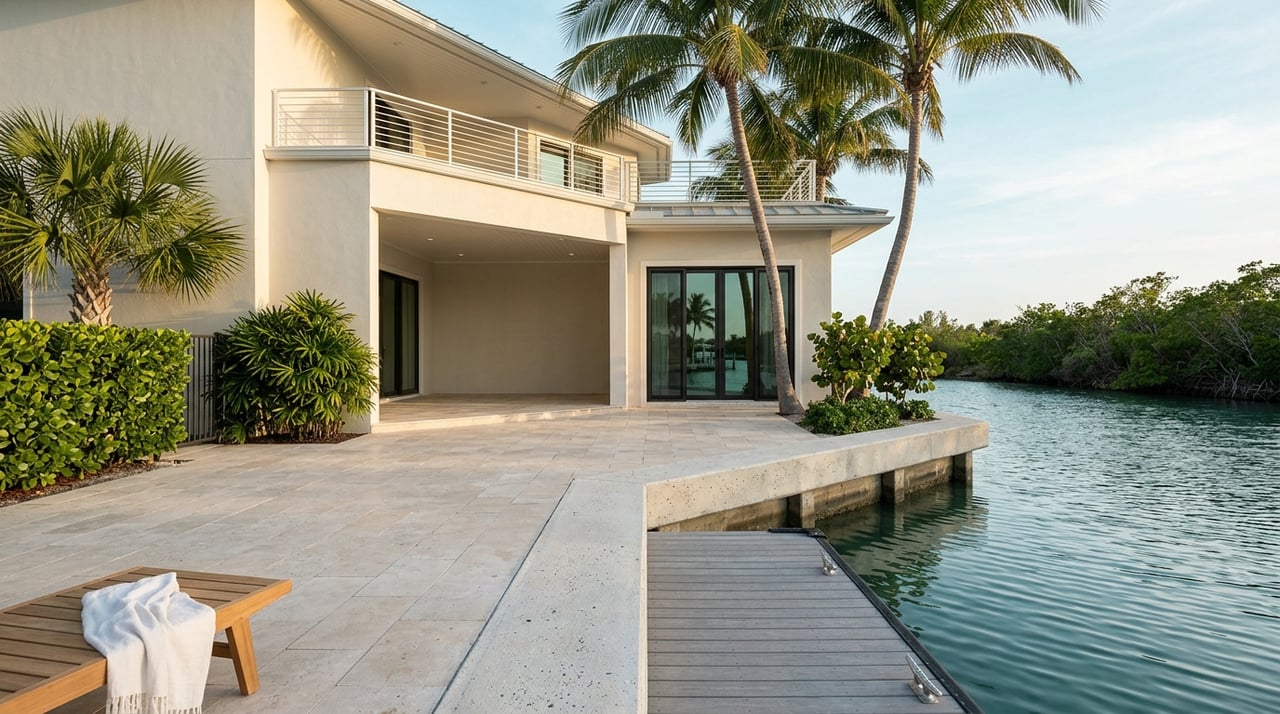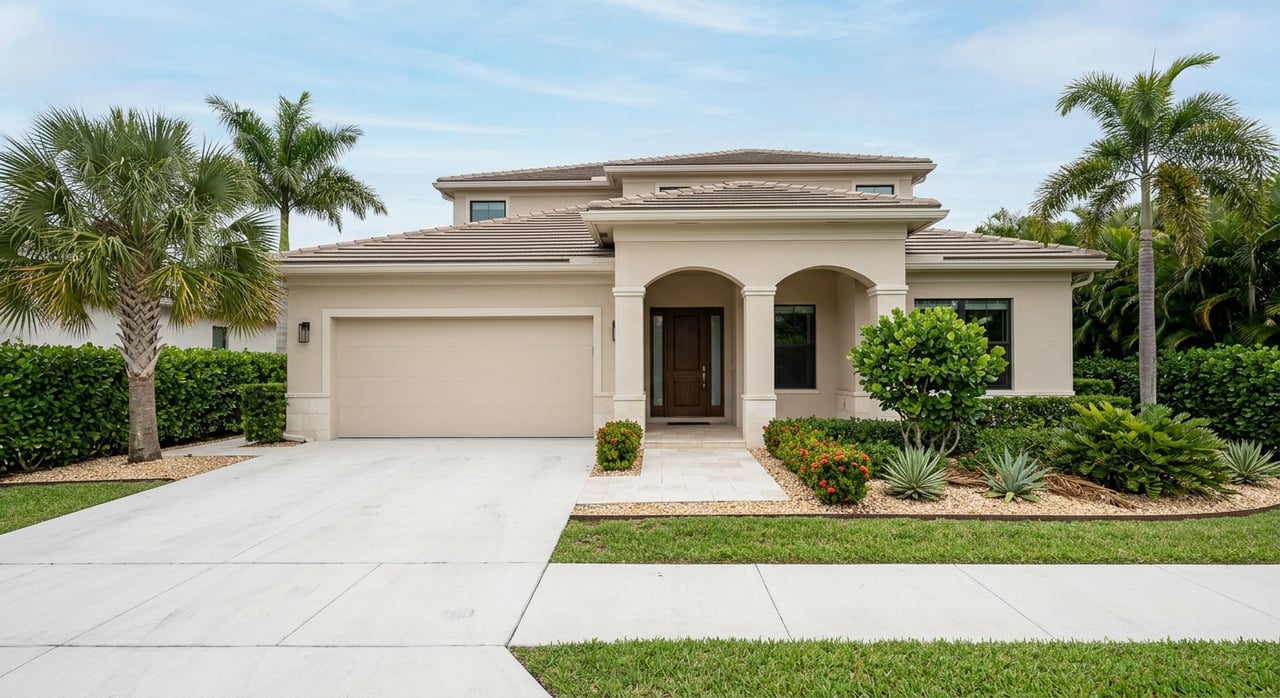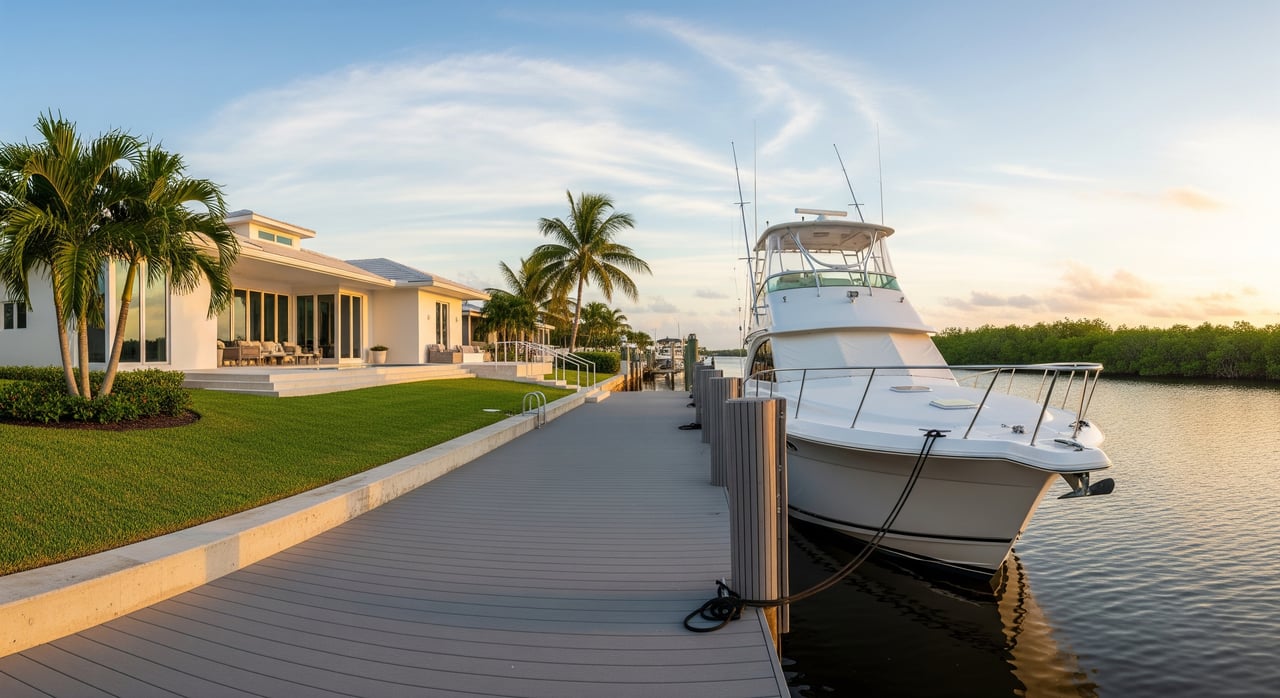
Thinking about a Cape Coral waterfront home but not sure which canal type fits your boat and lifestyle? You are not alone. With more than 400 miles of canals and a mix of bridges, depths, and routes, two homes on the same street can offer very different boating experiences. In this guide, you will learn how canal types work, what to check before you buy or sell, and how to match your boat to the right waterway. Let’s dive in.
Cape Coral’s canal network in plain English
Cape Coral’s canals connect neighborhoods to the Caloosahatchee River, and from there to coastal waters and the Gulf. The route you travel matters as much as the waterfront view. Bridge heights, canal depth, turning room, and distance to open water shape your daily boating routine. Understanding these basics will help you choose a property that fits how you actually plan to use your boat.
Canal types and what they mean for you
Direct high-access canals
These canals give you a relatively short, unobstructed path to the river and Gulf without low fixed bridges or major restrictions. They are ideal for larger powerboats and yachts that need quick access and fewer obstacles. If you want fast runs to open water, this is the gold standard.
- Pros: Highest utility for boaters, short run times, broad resale appeal.
- Cons: More boat traffic and wake activity, and often greater exposure to storm surge.
Bridge-limited canals
Here, your route to open water includes one or more fixed bridges with limited clearance. This limits the maximum air draft your vessel can have. Many powerboats will be fine, while tall-mast sailboats typically cannot pass.
- Pros: Often quieter, with protected mooring and less through-traffic.
- Cons: Limits boat types and can reduce resale appeal to owners of taller vessels.
River-route or indirect-access canals
These locations are connected but require a longer run via the Caloosahatchee River or other channels to reach the Gulf. You will navigate currents and more traffic, yet these canals still work well for many boaters. Expect longer transit times compared to direct access.
- Pros: More protected water and less exposure to open-water conditions.
- Cons: Added time and planning for current, wind, and commercial traffic.
Dead-end and small residential canals
Short, narrow canals that serve small-lot neighborhoods often end in a cul-de-sac or turnaround. They are great for small boats, pontoons, kayaks, and personal watercraft. Larger boats may face depth or maneuvering limits.
- Pros: Quiet setting, minimal through-traffic, family-friendly feel for small craft.
- Cons: Limited or no practical Gulf access for bigger vessels, tighter turning basins.
Man-made vs. natural channels
Most Cape Coral canals are engineered with predictable alignments and private seawalls. Natural estuarine channels can have variable depths and environmental constraints. Each type carries its own maintenance and permitting considerations.
- Pros: Engineered canals often have more consistent depths and seawall control.
- Cons: Natural channels may be shallower and subject to stricter environmental rules.
Basins and turning areas
Wider basins at canal ends or intersections allow boats to turn and stage for docking. Even with adequate depth, poor turning room can limit a property’s usefulness. Always confirm a realistic turning radius for your specific boat.
Permits, seawalls, and ownership basics
Permits and approvals
Dock, seawall, and lift work generally require City of Cape Coral permits, and sometimes county, state, or federal approvals. If a project affects submerged lands or wetlands, you may need approvals from state and federal agencies. Ask for past permit records and as-built plans during due diligence.
Seawall condition
Seawalls are a major cost item, so their age and condition matter. Look for leaning panels, cracks, tieback movement, undermining, or a failing cap. A qualified marine contractor or engineer should inspect the seawall before you close.
Dredging and sedimentation
Sediment can reduce usable depth over time. Private dredging usually needs permits, and not every canal benefits from scheduled maintenance dredging. Check the canal’s dredging history and confirm who is responsible for maintaining navigability.
Riparian rights and submerged land
Waterfront ownership often includes certain riparian rights, such as the right to seek a dock permit. The state often retains title to sovereign submerged lands below the water. Treat docks as permitted structures, not land ownership, and verify details with local records.
Zoning, HOA, and deed rules
HOAs or deed restrictions may limit dock size, boat types, or exterior equipment like lifts and canopies. Some covenants can restrict rental or commercial activities. Review HOA documents, plat maps, and neighborhood rules early.
Insurance, flood zone, and hurricane exposure
Waterfront properties commonly sit in higher-risk flood zones that may require flood insurance. Direct-access homes can face more exposure to storm surge and wind-driven waves. Ask insurers how elevation certificates, mitigation features, and windstorm deductibles will affect premiums.
Risks and seasonal considerations
Tides and currents
Southwest Florida’s tidal range is modest, but wind, tide, and river discharge change local depths and currents. The Caloosahatchee can run swift at times and may include commercial traffic. Plan your routes around low water and busy periods, especially on weekends.
Storm surge and sea-level rise
Hurricanes and tropical systems bring surge risk across Cape Coral’s low-lying areas. Over the long term, rising sea levels can influence flood exposure and insurance. Consider elevation, seawall height, and historical surge patterns as part of your decision.
Water quality and algal blooms
From time to time, Southwest Florida experiences algal blooms and red tide events that affect water clarity, marine life, and recreation. These events can impact short-term enjoyment and tourism. They may also affect rental desirability in certain seasons.
Navigation safety and wakes
Narrow canals and shallow sections add risk for prop strikes or groundings. Many areas post no-wake or slow-speed zones to protect docks and seawalls. Observe posted signs and local etiquette to avoid damage and fines.
Invasive species and protected habitats
Invasive plants and protected habitats, including mangroves and seagrass, can influence dock design and dredging. Expect stricter permitting where sensitive resources are present. Work with qualified professionals to respect environmental safeguards.
Match your boat to your canal
- Small craft and kayaks: Suitable in most canals, including narrow cul-de-sacs.
- Powerboats and center consoles: Check depth at low tide, turning room, and bridge clearance along the route.
- Coastal cruisers and larger yachts: Favor direct high-access canals, deeper water, good basins, and robust dock infrastructure.
Buyer checklist for waterfront due diligence
- Get a property survey that shows the waterline and riparian boundaries.
- Request dock, seawall, and lift permits, plus inspection and repair records.
- Obtain the parcel’s flood zone and an elevation certificate for insurance planning.
- Hire a marine contractor or engineer to inspect the seawall and dock.
- Confirm HOA or deed restrictions that affect boats, docks, or lifts.
- Measure depth at low tide where you will berth and along the route to open water.
- Identify all fixed bridges and verify clearance for your boat’s air draft.
- Confirm turning room and approach angles for safe docking.
- Check for submerged hazards like rocks, sandbars, or debris.
- Observe local traffic patterns and wakes at different times of day.
Seller checklist to boost buyer confidence
- Gather and share complete permit histories for seawall, dock, and lift work.
- Schedule a recent seawall and dock inspection, and address obvious repairs.
- Document any dredging, depth checks, or basin improvements.
- Provide clear route notes: bridge heights, distance to the river, slow-speed zones.
- Price with transparency for any near-term capital items like seawall replacement.
How to evaluate a specific route to open water
- Map your route from the dock to the Caloosahatchee and identify any fixed bridges.
- Check vertical clearances and compare to your boat’s full air draft with antennas up.
- Sound depths at low tide along the route and at your dock location.
- Confirm turning basins and neighbor dock layouts that affect maneuvering.
- Time the run to the river during a typical day and during busy periods.
- Note speed zones, no-wake areas, and any narrow or shallow pinch points.
Cost, insurance, and resale tips
Direct-access waterfront often carries a price premium because of its utility for boaters. Weigh that premium against insurance costs, flood risk, and the condition of the seawall, dock, and lift. If you face near-term capital expenses, reflect them in your purchase offer, or as a seller, address them proactively.
Your trusted local partner
Choosing the right canal type is a lifestyle and investment decision. You want a home that fits your boat today and holds appeal for the next buyer. Our boutique team pairs high-touch buyer and listing representation with organized transaction coordination and clear communication, so you can move forward with confidence.
If you are ready to evaluate waterfront homes or prep your property for the market, connect with the MJ Team. We specialize in Southwest Florida waterfront living and will guide you step by step.
FAQs
What are the main canal types in Cape Coral?
- Direct high-access, bridge-limited, river-route or indirect-access, dead-end or small residential, plus a mix of man-made and natural channels.
How do bridge clearances affect my boat choice?
- Fixed bridge heights limit your boat’s air draft, so tall-mast sailboats often cannot pass while many powerboats can if antennas and towers fold or clear.
What permits are needed for a dock or boat lift in Cape Coral?
- Most dock, seawall, and lift work needs City permits, and work near submerged lands or wetlands may require state and federal approvals.
How do tides and river currents impact daily boating?
- Even with a modest tidal range, local winds and river discharge change depths and currents, so plan around low water and busier times.
Are algal blooms a concern for boaters in Southwest Florida?
- Periodic blooms and red tide can affect water clarity, odors, and recreation, which may reduce short-term enjoyment and rental appeal.
What should I look for in a seawall inspection?
- Signs of leaning, cracking, tieback failure, undermining, or a deteriorated cap should be reviewed by a marine contractor or engineer.
Is dredging maintenance guaranteed for my canal?
- No, not every canal has ongoing maintenance dredging, so confirm the history and who is responsible for navigable depth.
How does flood insurance affect waterfront homeownership?
- Many waterfront parcels sit in higher-risk flood zones, and elevation certificates, mitigation features, and policy terms can significantly influence premiums.