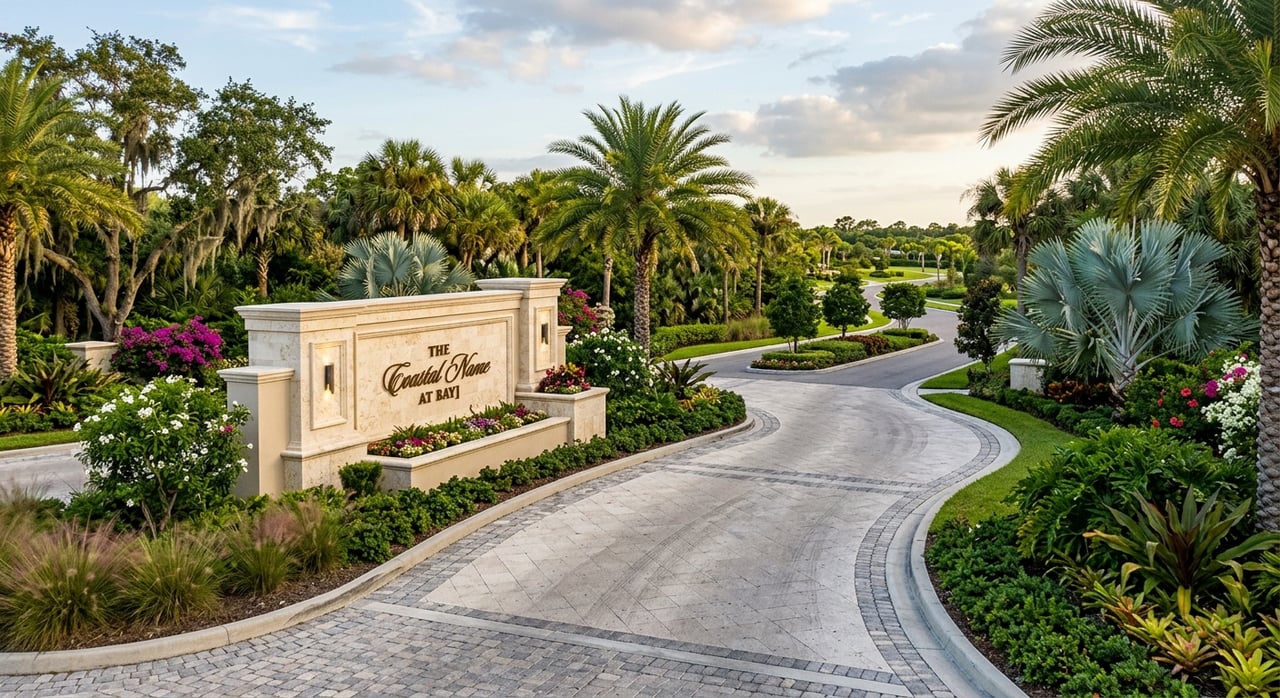
If you are trying to choose between a gated and non-gated community in Bonita Springs, the real question is not just about the entrance. It is about how you want daily life to work, what kind of upkeep you want bundled into your ownership, and how closely connected you want to feel to the city around you. When you understand those differences, your home search gets much clearer. Let’s dive in.
What gated vs non-gated really means
In Bonita Springs, the biggest difference often comes down to bundled lifestyle versus city-connected living. Many gated communities include association-managed roads, common areas, amenity spaces, and organized upkeep. Non-gated neighborhoods usually connect more directly to public streets and public amenities, even when they still have deed restrictions or neighborhood associations.
That distinction matters because two homes at a similar price point can offer very different day-to-day experiences. One may include more structured maintenance and shared amenities, while the other may give you simpler access in and out, with more of your routine tied to the city rather than the community itself.
What gated living looks like in Bonita Springs
Gated living in Bonita Springs often appeals to buyers who want a more organized community environment. That can include controlled entry points, shared amenity packages, and a master association that handles many parts of the neighborhood’s upkeep.
In some communities, that structure is extensive. Bonita Bay, for example, has a master association that maintains common areas, grounds, roads, streetlights, lake and stormwater systems, and recreational parks, including a private beach park. Its entrances are staffed around the clock, and the community includes 58 neighborhoods.
Pelican Landing is another strong example of a gated Bonita Springs lifestyle. The community includes a 34-acre Gulf island beach park reached by shuttle boat, along with tennis, fitness, pickleball, sailing, kayaking and canoeing, a marina, bocce, a community center, fishing piers, and a butterfly garden. Its annual HOA assessment covers access to most amenities, plus basic cable, internet, and 24/7 privacy, while golf and country club access are separate.
Bonita Fairways also shows how gated living can come with a strong amenity package. Residents have access to pools, spas, pickleball, tennis, bocce, shuffleboard, and a clubhouse with a fitness room, library, café, meeting space, and game rooms. Its executive golf course is public, which is an important detail if you are comparing bundled amenities with optional ones.
Common benefits of gated communities
If you are considering a gated community in Bonita Springs, these are some of the lifestyle features you may find:
- Association-managed common areas and landscaping
- Private internal roads and streetlights
- Shared parks, club spaces, or recreation areas
- Controlled entry points
- Amenity programming built into community life
- In some cases, cable, internet, or beach access included through assessments
The exact mix varies by community, so it is important to look past the gate and review what is actually included.
What non-gated living looks like in Bonita Springs
Non-gated does not mean unstructured. In Bonita Springs, many non-gated neighborhoods still have associations, shared features, or deed restrictions. The difference is that they generally feel more open and connect more directly to the city street network.
Bonita Shores and Little Hickory Shores are a clear local example. The neighborhood describes itself as a neighborhood without gates, yet residents still have a clubhouse and, for some property owners with separate membership, a boat launch. That shows how open-access living can still come with shared community features.
The City of Bonita Springs also identifies Fairwinds, The Greens, Fairway Dunes, Golf Villas of Bonita Springs, and Lakeside Hideaway as non-gated deed-restricted communities. That is an important reminder for buyers who assume non-gated means no HOA or no rules. In practice, governing documents may still shape what ownership looks like.
Imperial Harbor offers another version of non-gated living. It has an association-led setup with a Harbor Club that includes a pool, billiards, fitness center, bocce, and shuffleboard, while still emphasizing an open feel rather than a typical gated master-planned format.
Common benefits of non-gated communities
For many buyers, non-gated living works well because it offers a different kind of convenience:
- Direct access to public streets
- Easier guest visits and service appointments
- Less separation from city parks, beaches, and downtown spaces
- Neighborhood features that may still include clubhouses or associations
- A less layered ownership structure in some communities
If you value flexibility and easy movement through town, this style of living may feel more natural.
Maintenance and rules matter either way
One of the biggest mistakes buyers make is assuming the gate tells the whole story. In Bonita Springs, the governing documents and city rules often matter just as much.
The city’s Neighborhood Services department enforces property maintenance standards tied to grounds, structures, nuisance conditions, grass and weed height, parking surfaces, exterior condition, and minimum housing standards. That means there is still a baseline for upkeep whether a home is in a gated or non-gated area.
For buyers planning long-term use, rental plans, or part-time ownership, those details become even more important. The city requires rental permits for many non-association rental units within city limits, while some HOA- or condo-managed properties are exempt. If rental use is part of your plan, it is smart to verify both city requirements and association review standards before you buy.
Daily access can shape your lifestyle
The lifestyle difference between gated and non-gated living is often easiest to feel in the small routines of daily life. Controlled entrances can create a more structured arrival experience, while open neighborhoods may make everyday trips feel simpler.
In Bonita Springs, that matters because the city offers a strong network of public amenities. Residents can enjoy places like Bonita Beach Park, Little Hickory Island Beach Park, Riverside Park on the Imperial River, the Bonita Springs Recreation Center, the Bonita Springs Dog Park, and multiple beach access points along Bonita Beach.
The city is also investing in downtown improvements, including roadway work, on-street parking, storm drains, landscaping, and mixed-use redevelopment. If you want to be closely tied to public spaces and city access, a non-gated neighborhood may support that lifestyle more directly. If you prefer more of your daily environment to be managed inside the community, gated living may feel like a better fit.
Which option fits your goals best
There is no one-size-fits-all answer in Bonita Springs. The right choice depends on how you want to live, not just what you want your entrance to look like.
A gated community may be a better fit if you want a more bundled lifestyle with shared amenities, more internal structure, and organized maintenance. Buyers looking at communities like Bonita Bay, Pelican Landing, or Bonita Fairways often value that all-in-one feel.
A non-gated community may be a better fit if you want direct access to public streets, easier day-to-day coming and going, and a closer connection to city beaches, parks, and downtown areas. Neighborhoods like Bonita Shores or association-led communities with an open feel can offer that balance.
Questions to ask before you decide
As you compare communities in Bonita Springs, these questions can help you narrow your options:
- What maintenance is handled by the association?
- Are roads and common areas private or city-managed?
- Which amenities are included, and which require separate membership?
- Is there a master association, sub-association, or both?
- What do the governing documents say about rentals?
- Would your guests, vendors, or seasonal visits be easier in one setup than the other?
- Do you want your lifestyle centered inside the community or out in the city?
Those answers usually tell you more than the word gated ever could.
If you are comparing Bonita Springs communities, it helps to work with a team that understands both the lifestyle side and the practical side of the decision. From amenity-rich neighborhoods to open, city-connected areas, MJ Team can help you narrow the options and find the right fit for how you want to live.
FAQs
What is the main difference between gated and non-gated living in Bonita Springs?
- In Bonita Springs, the biggest difference is often how much of your daily lifestyle is bundled into the community through association-managed upkeep, roads, and amenities versus how much is connected to public streets, public parks, and your own household responsibilities.
Are non-gated communities in Bonita Springs still allowed to have HOA rules?
- Yes. The City of Bonita Springs identifies several non-gated deed-restricted communities, which means a neighborhood can be open in street access while still having governing documents or association rules.
What are examples of gated communities in Bonita Springs?
- Bonita Bay, Pelican Landing, and Bonita Fairways are all local examples of gated communities with notable amenity packages and association-managed features.
What are examples of non-gated communities in Bonita Springs?
- Bonita Shores and Little Hickory Shores are local examples of non-gated living, and the City of Bonita Springs also lists Fairwinds, The Greens, Fairway Dunes, Golf Villas of Bonita Springs, and Lakeside Hideaway as non-gated deed-restricted communities.
Do gated communities in Bonita Springs always include golf or club access?
- No. Some communities offer extensive amenities, but certain memberships may still be separate. For example, Pelican Landing notes that golf and country club access are separate from the annual HOA assessment.
Do rental rules differ between Bonita Springs communities?
- Yes. Buyers should review both city requirements and community governing documents, because the city requires rental permits for many non-association rental units in city limits, while some HOA- or condo-managed properties may be exempt.