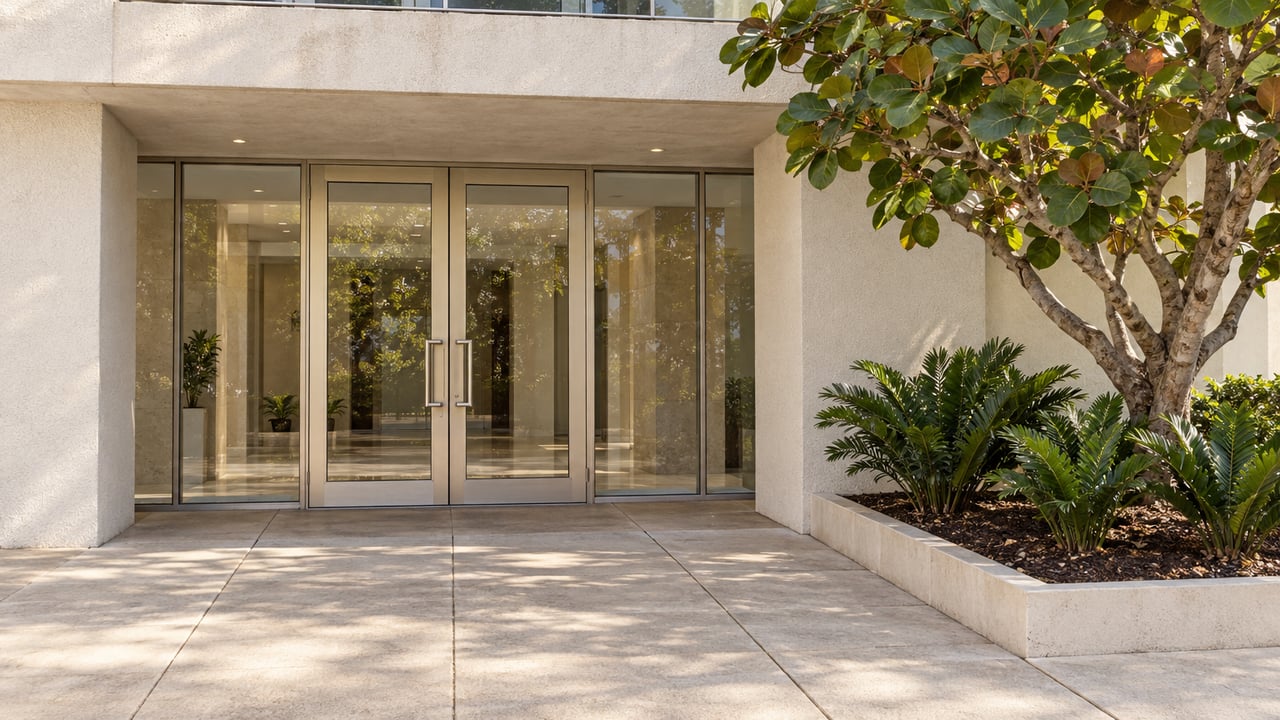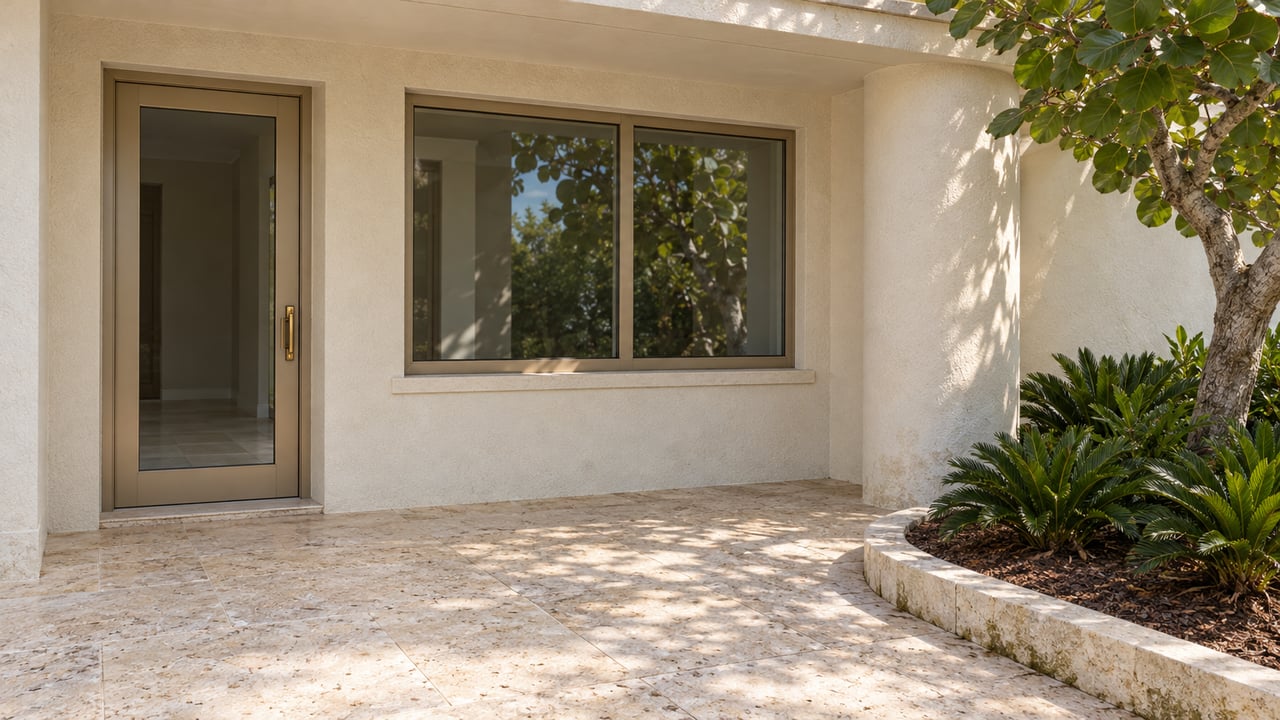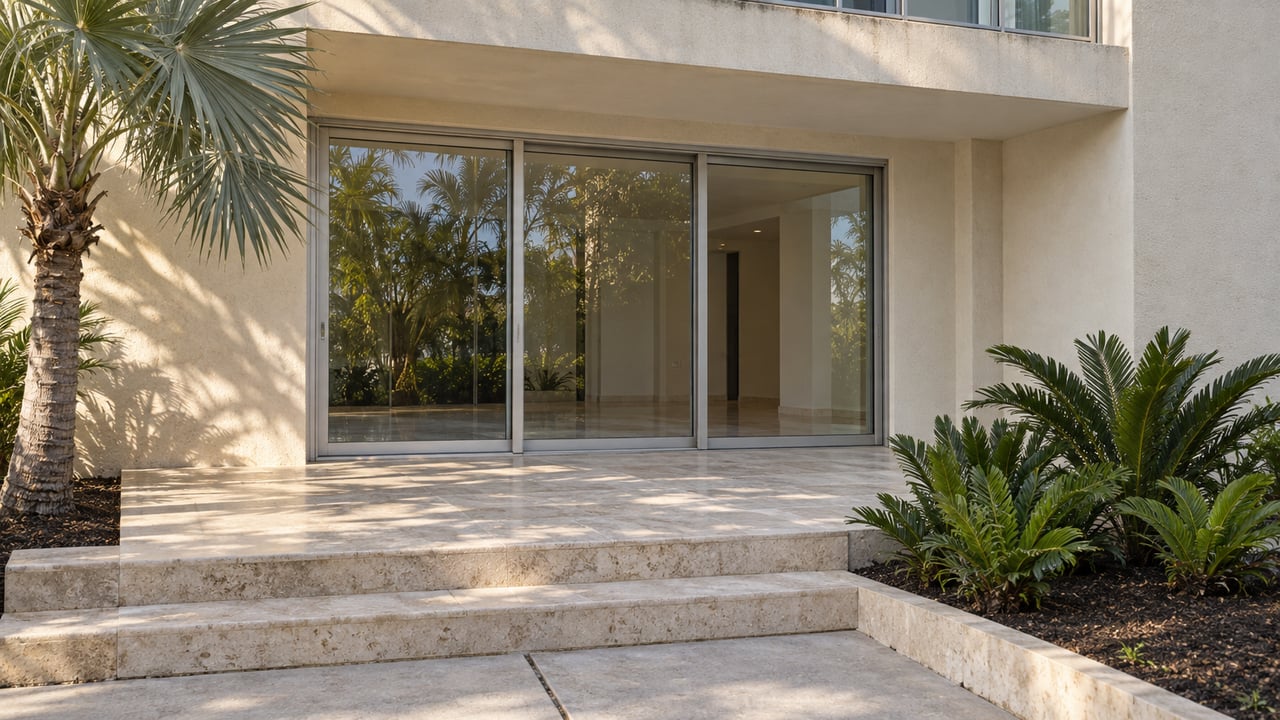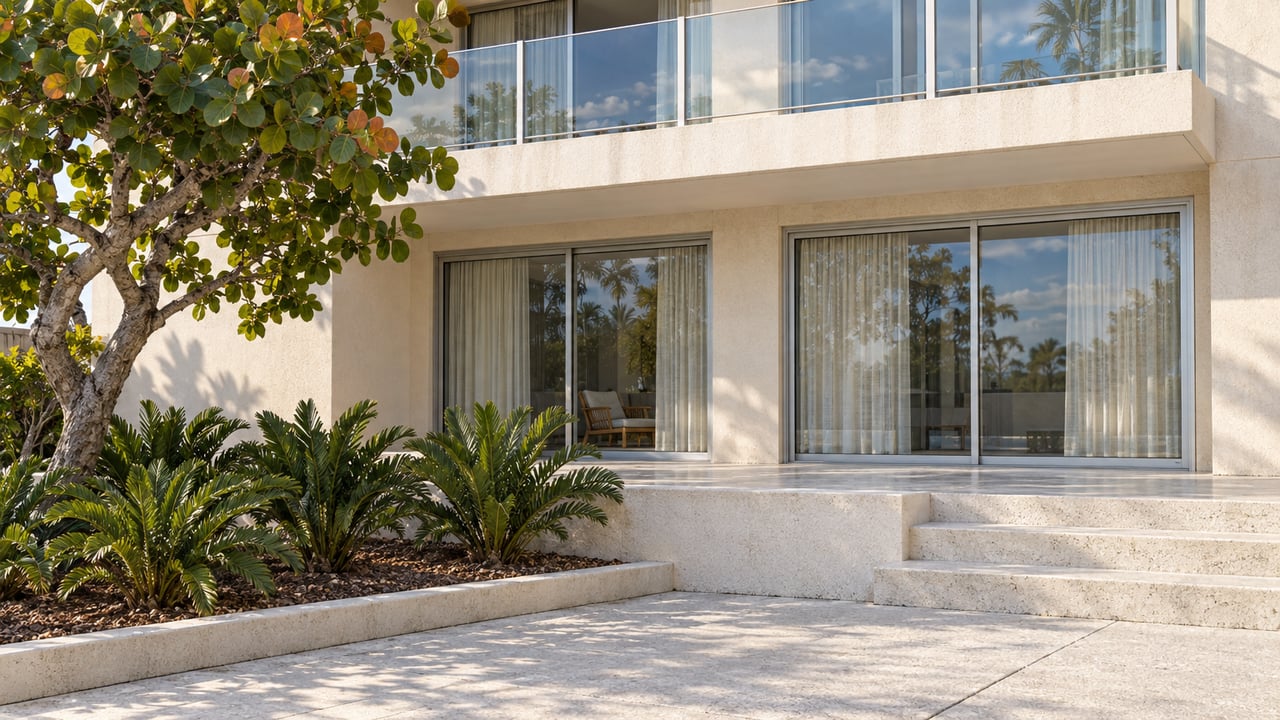
A Marco Island seller called me in April after a cash-adjacent buyer walked ten days before closing. The comps supported the price. The home showed beautifully. What killed the deal was a wind mitigation report that showed no roof-to-wall straps and a 4-point that flagged a 14-year-old shingle roof. The buyer's carrier declined coverage, the lender pulled the commitment, and the file died on the desk of a Naples underwriter who had never seen the property.
That story is the shape of the Marco Island market right now. With inventory up roughly 53% year over year, average days on market near 104, and about 90% of active condo listings showing at least one price cut as of early 2026, buyers are not the constraint. Insurability is. On a barrier island where nearly every parcel sits in a FEMA AE or VE flood zone and roughly 80% of homes back a canal, three inspection documents decide whether an offer at your list price can actually close. Sellers who treat them as pre-listing homework, not contract-period surprises, are protecting price. Sellers who don't are the ones cutting.
The wind mitigation report is a pricing document
The Florida OIR-B1-1802 wind mitigation form looks like a checklist. In practice it functions as a discount schedule that a buyer's carrier will translate directly into an annual premium. Roof shape, roof deck attachment, roof-to-wall connection, roof covering, and opening protection each carry a credit. Get the credits and premiums on older Marco homes can drop by roughly 40%. Miss them and the buyer is quoting a policy that makes the total monthly payment unworkable.
A wind mit inspection costs $150 to $300 and the report is generally accepted by carriers for up to five years. Ordering one before you list does three things that a mid-contract inspection cannot. It gives your agent a defensible answer when a buyer's lender questions insurability. It surfaces cheap wins, like documenting existing hurricane straps that a prior owner never claimed, before a buyer's inspector arrives with a different agenda. And for homes permitted before January 1, 2008 and homesteaded at or below the $700,000 insured value cap, it can qualify the property for My Safe Florida Home matching grants of up to $10,000 at a 2:1 ratio, funded through the $280 million appropriation for the 2025–2026 program cycle.
The grant is reimbursement-based and no work can begin before the award letter, so this is not a strategy for a home already under contract. It is a strategy for a home that will be listed six to twelve months from now.
The 4-point is where carriers cancel policies they already wrote
The wind mit report earns credits. The 4-point inspection decides whether a policy gets written at all. It evaluates roof, electrical, plumbing, and HVAC condition, and on Marco Island the roof line is where deals most often stall.
Carriers routinely bind a policy at closing based on paperwork, then send their own inspector after the fact. If that inspector finds a few missing shingles, a soffit gap, or rust on exterior components, a non-renewal or cancellation notice can arrive thirty to forty-five days later. That is a real pattern documented in Marco carrier communications, not a theoretical risk. The seller has moved on. The new owner is scrambling to replace a roof to preserve coverage.
For the seller preparing to list, the 4-point matters for a different reason: the buyer's lender is going to want it, and the roof age reading on that form will drive the range of carriers willing to quote the home at all. A shingle roof at year fifteen is a very different negotiation than a tile roof at year eight, even at the same list price. Ordering the 4-point pre-listing lets you decide, with a clear estimate in hand, whether to replace the roof, credit the buyer, or price the home to a pool of cash buyers who will not need a lender.
The seawall is the document nobody asks for until closing week
Marco has close to 200 miles of concrete seawall, most of it lining the canal system dredged in the 1960s. Useful life on those walls runs 30 to 45 years. Much of the island's inventory is now at or past that mark. Replacement is a five-figure-and-up job, and the work sits under three separate permitting authorities: Collier County Building & Permitting, Florida DEP coastal permitting, and the U.S. Army Corps of Engineers Jacksonville District.
A standard home inspection will note visible seawall issues like cap cracking, leaning panels, or soil washout behind the wall. It will not certify structural condition. That is specialized marine work, handled locally by firms like Collier Seawall & Dock, and it is increasingly requested by buyer's agents and lenders on canal-front sales.
Here is the friction that catches sellers: a buyer's inspector notices settling pavers near the dock approach, flags a potential void behind the seawall cap, and the buyer's agent requests a specialized inspection three days before closing. At that point you are negotiating from a weak position on a document that costs a few hundred dollars to order in advance. Getting a written condition assessment before listing, with high-resolution photos and any permit history from prior repairs, changes that conversation entirely.
On a Marco waterfront home the seawall is not a landscape feature. It is a load-bearing element of the appraisal, and the buyer's team will treat it that way whether you have documented it or not.
What each inspection actually changes at contract
The three documents look procedural. They function as pricing levers. Here is how they map to the seller's decisions:
| Document | Typical cost | What it decides at contract |
|---|---|---|
| Wind mitigation (OIR-B1-1802) | $150–$300 | Buyer's annual premium; access to My Safe Florida Home grants pre-listing |
| 4-point inspection | $100–$200 | Whether the buyer's carrier will bind and stay on the risk after closing |
| Seawall condition assessment | $250–$500 | Whether a buyer's agent can reopen negotiations in the final week |
None of these numbers are the story. The story is that on a canal-front Marco home listing at $2.4 million, a $500 seawall inspection can protect a $30,000 price concession, and a $250 wind mit report can protect an offer that would otherwise die when the buyer's insurance quote comes in $6,000 higher than expected.
The paper file that closes the deal
Sellers who close cleanly in this market walk into the listing with a folder assembled. Not a marketing folder. A due diligence folder that a buyer's underwriter can review in one sitting. It contains:
- Current wind mitigation report on OIR-B1-1802, dated within five years
- 4-point inspection with clear photos of roof, panel, water heater, and HVAC
- Elevation certificate, especially useful given Collier County's updated Flood Insurance Rate Maps that took effect February 2024
- Seawall condition assessment with date-stamped photos and any prior permit records
- Copies of closed permits for roof, windows, electrical, and any marine work
- Homeowners and flood declarations pages, with premium history if available
- For condos, the current milestone inspection status, reserve study, and reserve balance
That last line matters more than it did three years ago. Buyers cross-shopping Marco condos are asking for the milestone report and structural integrity reserve study before they write, not after. A listing with the paper file organized signals that the association is compliant and the seller is serious. A listing without it invites the assumption that something is being avoided.
Why this matters more in mid-2026 than it did last cycle
The median Marco condo sales price sat near $862,500 in May 2026, with condos averaging 86 days on market and some inventory sitting 200 to 300 days. Luxury single-family homes are holding better, with median pricing near $3.45 million and roughly 68% of transactions closing in cash. Cash buyers still care about insurability. They plan to insure the home eventually, and they price the friction into their offer.
The sellers holding price in this market are not the ones with the best staging. They are the ones whose homes underwrite cleanly on the first pass. Everything above is the mechanical version of that idea.
Short FAQ
Should I replace a fifteen-year-old shingle roof before listing? Usually yes on a shingle roof at that age, because the 4-point will show it and most Florida carriers now decline shingle roofs at fifteen years or refuse to renew within a year of that mark. On a tile or metal roof the calculus is different and the wind mit credits often matter more than the age.
Can I use My Safe Florida Home money once I'm under contract? No. The program is reimbursement-based, work cannot start before the award letter, and only inspection-recommended items are eligible. It is a pre-listing tool. Condos have a separate pilot program that runs through the association rather than individual owners.
Does a pre-listing seawall inspection obligate me to disclose problems? Florida sellers have a duty to disclose known material defects that affect value. If your inspection identifies a real issue, you are better off pricing the home with that information and moving cleanly than being surprised by it during the buyer's due diligence.
How does the Feb 2024 FIRM update affect my listing? Collier County's updated Flood Insurance Rate Maps shifted some parcels between zones. Pulling your current elevation certificate and confirming your zone before you list prevents a mismatch between what the MLS says and what the buyer's flood quote will show.
If you are thinking about listing a Marco Island home in the next six to twelve months, the inspection stack is the first conversation, not the last. MJ Team works with sellers to sequence the wind mit, 4-point, seawall, and permit records in the order that protects list price, then packages the file so a buyer's lender can move without pausing. Reach out when you're ready to start your luxury home journey with MJ Team.