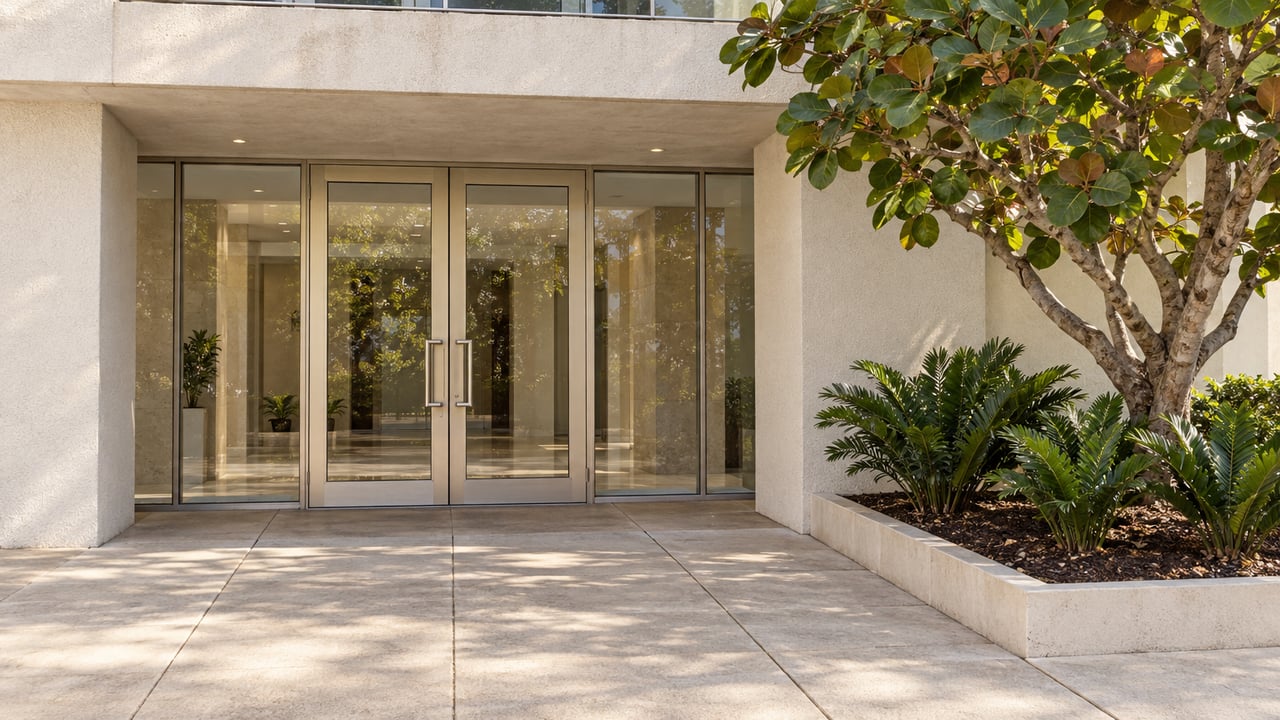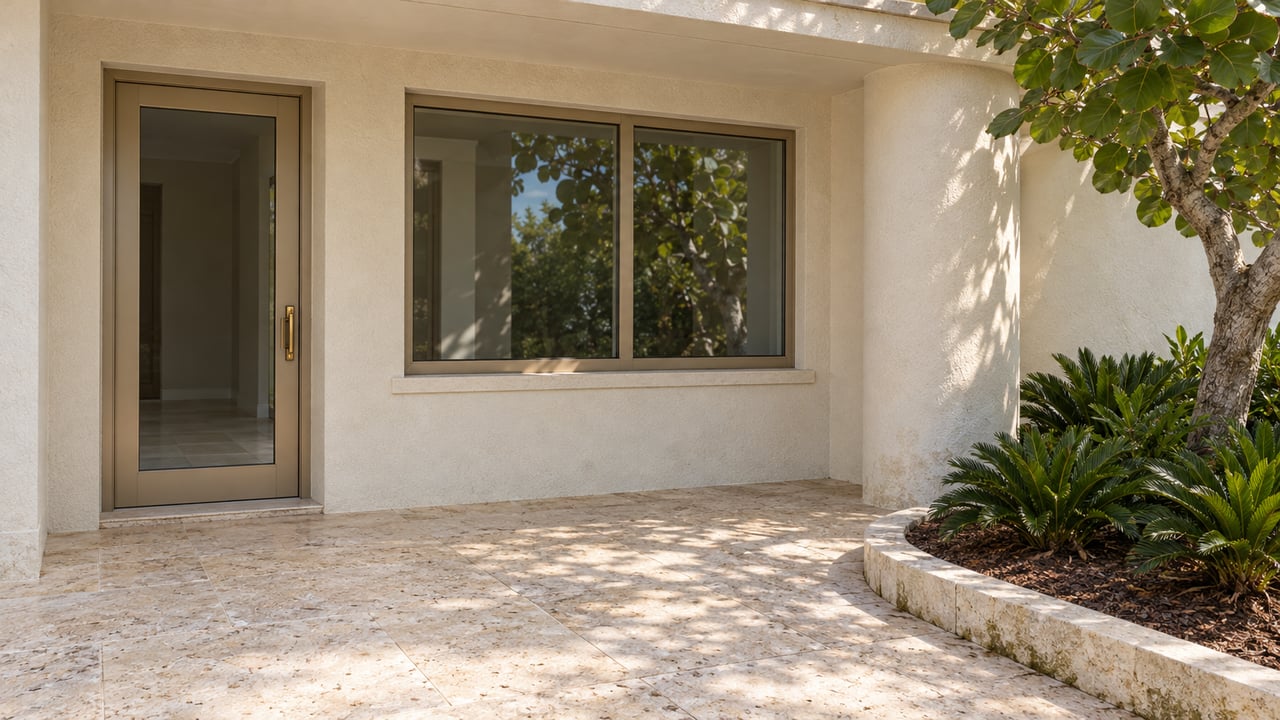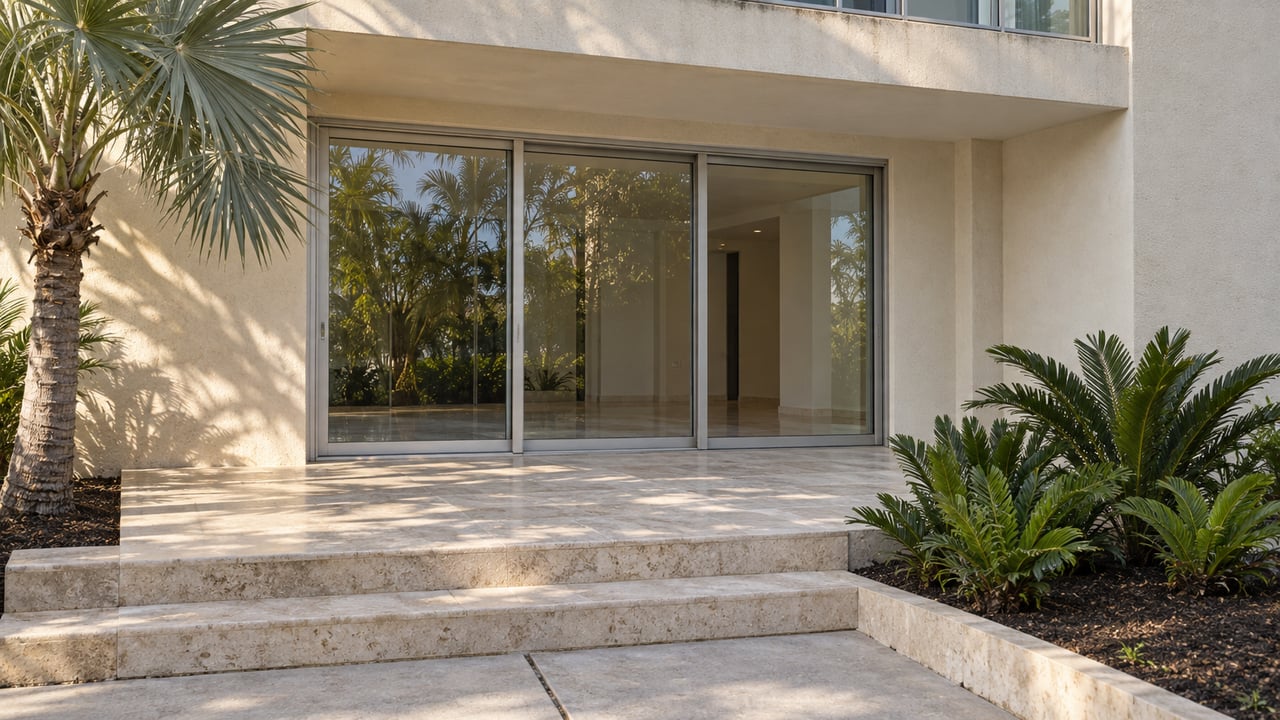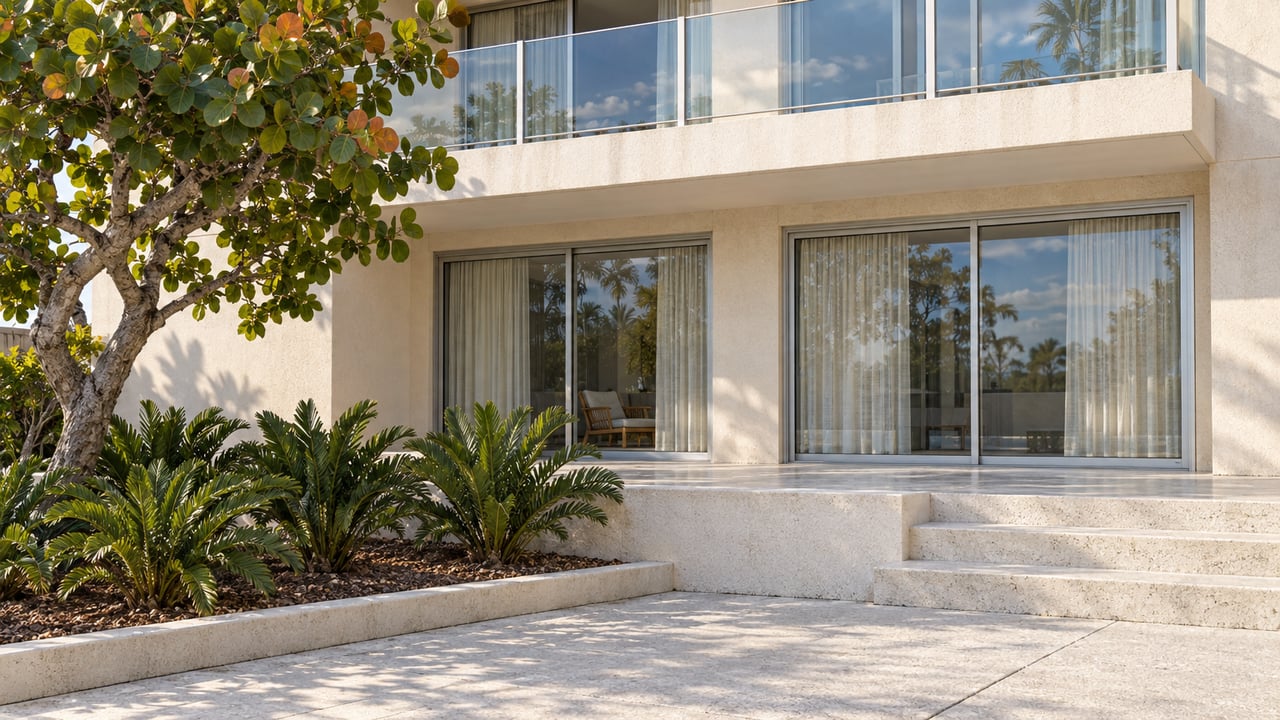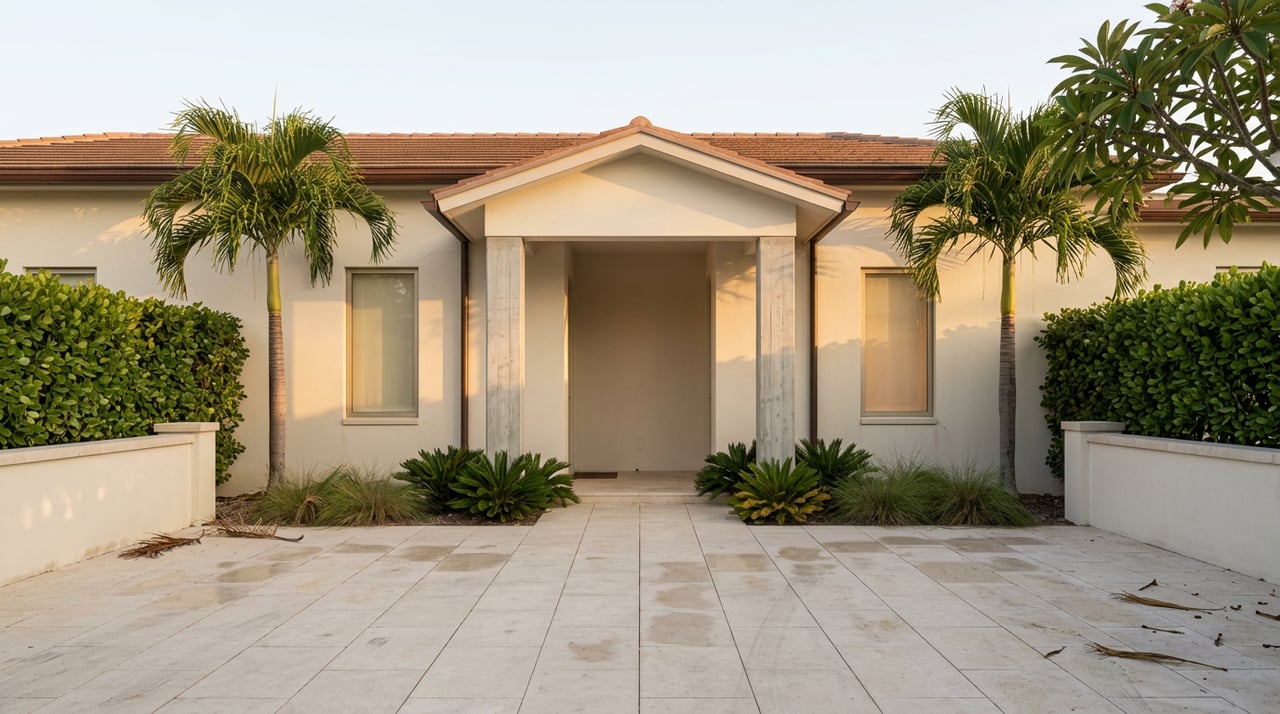
A buyer with nine million dollars to spend in downtown Naples this summer will get shown three very different things, and the comparison can make them look like variations on a theme: a canal-front lot in Aqualane Shores, a walkable cottage on the edge of Old Naples, and a dated 1970s house on a smaller Port Royal parcel that's priced like it's the bargain of the group. On paper, all three sit inside the same nine-million-dollar conversation. In practice, the buyer is choosing between three different assets that happen to share a zip code.
That distinction matters more this year than it has in a while, because the mechanism that separates them, a private club's fee schedule, a federal flood rule, and a construction budget, is actively moving. According to the Naples Press report, Naples City Council approved the Port Royal Club's rebuild on Aug. 21, 2025. The new clubhouse opens late this year. And the price data coming out of Port Royal right now contains a contradiction that only makes sense once you understand what's really being sold south of Fifth Avenue South.
What the Same Nine Million Dollars Actually Buys
The three neighborhoods run along the same stretch of coastline, from the historic downtown core around Third Street South and the Naples Pier, through Aqualane Shores' deep-water canals, down to Port Royal's Gulf and bay frontage near Gordon Pass. In the January 2026 single-family closed-sales report, the average price in Old Naples ran around $6.4 million. Aqualane Shores averaged about $9.5 million. Port Royal averaged roughly $23.5 million. Inventory tightened across all three over that same period, with months of supply falling from the high twenties into the 11-to-16 range.
| Neighborhood | Average closed price, Jan. 2026 | Months of supply, Jan. 2026 | What's actually driving the number |
|---|---|---|---|
| Old Naples | ~$6.4 million | 13.8 | Walkability, historic cottages, mixed renovation candidates |
| Aqualane Shores | ~$9.5 million | 15.7 | No-bridge canal access, smaller lots than Port Royal, still steps from Fifth Avenue South |
| Port Royal | ~$23.5 million | 11.6 | Land value on roughly 500 finite estate lots, plus a separate club-eligibility premium |
Read across that table and the instinct is to see a ladder: Old Naples is the entry point, Port Royal is the ceiling, Aqualane Shores sits in between. A useful comparison accounts for what each price includes. The gap between Aqualane Shores and Port Royal isn't really about the house. It's about two things that don't show up as a line item on a listing sheet: whether the property carries eligibility for the Port Royal Club, and whether the structure on it still has any contributory value at all.
How Club Eligibility Affects Price Comparisons
The Port Royal Club sits at 2900 Gordon Drive and has been the neighborhood's social anchor since the late 1950s. Hurricane Ian damaged the original clubhouse. Plans call for full reconstruction rather than repair. According to the Naples Press report, Naples City Council approved the conditional-use petition on Aug. 21, 2025, allowing the club to grow from roughly 32,000 to 77,000 square feet across three levels, elevated to current flood standards, with construction handled by Suffolk Construction and design by Hart Howerton. The approval process wasn't quiet. Council also approved an 11-foot wall along the club's southern boundary, well above the city's standard 6-foot limit, after two days of hearings over noise and sightlines. That level of scrutiny is a decent proxy for how much money and attention this single amenity commands in a neighborhood where privacy is valued.
Club membership carries its own cost structure, separate from the real estate transaction. The joining fee rose to $400,000 on Jan. 1, 2026, with annual dues around $16,200. Homes with confirmed club eligibility have traded at a documented 15 to 20 percent premium over otherwise comparable non-eligible properties in the same neighborhood, and that gap is expected to widen again once the new clubhouse opens later this year. Over a recent 24-month tracking period, fully club-eligible Port Royal homes sold for an average of $18.9 million, 128 percent above associate-level properties in the same neighborhood, a gap wide enough that eligibility functions as its own asset class rather than a nice-to-have.
One useful distinction for buyers comparing neighborhoods is this: not every Port Royal lot carries club eligibility, and Aqualane Shores and Old Naples don't have an equivalent structure at all. So when a buyer compares a $23 million Port Royal listing to a $9 million Aqualane Shores listing, they're often comparing a price that includes a private social infrastructure fee to one that doesn't, without accounting for that difference.
Why the House Stops Mattering South of Fifth Avenue
Port Royal has roughly 500 single-family estate lots, a number that hasn't grown and structurally can't. Local contractors who build there, including JY Mega FC Construction, describe the work as splitting cleanly into two categories: full teardown-and-rebuild of older estates, and substantial renovation of homes that still have useful life left. The choice between those two paths is governed less by taste than by a federal rule. According to JY Mega FC Construction, most Port Royal lots sit in FEMA AE flood zones with base flood elevations between 10 and 14 feet NAVD, and any renovation that exceeds 50 percent of a structure's assessed value triggers the Substantial Improvement rule, which forces the entire building up to current flood standards. Once that threshold gets crossed, a partial remodel effectively becomes a full rebuild anyway, and the economics tilt hard toward demolition.
That's why appraisers working these streets often lean on the extraction method: they estimate the depreciated replacement cost of the existing house, subtract it from the sale price, and treat what's left as land value. In a neighborhood where the land itself is capped at roughly 500 lots and can't be replicated, the house on top of it increasingly reads as a placeholder rather than the asset. The Port Royal Property Owners Association reviews every construction project for sightline impact on neighbors, not just aesthetics, which tells you how routine the teardown path has become.
Aqualane Shores runs a milder version of the same math. Lots there are generally smaller than Port Royal's, but the neighborhood still offers no-bridge Gulf access and genuine walking distance to Fifth Avenue South and Third Street South, a combination Port Royal can't match for a buyer who wants both a boat and a dinner reservation on the same evening. Old Naples, further north around the pier and the historic downtown blocks, is less affected by this land-value math. Renovation candidates there are still priced closer to what the structure is actually worth, which is part of why its average closed price sits well below the other two.
How Price and Time on Market Changed Together
Over the three months ending June 2026, the median Port Royal sale price rose 3.6 percent from the same period a year earlier, reaching $17.0 million. In that same window, homes took longer to sell, not less, averaging 170 days on market compared with 159 a year prior. A market where price and time-on-market both climb at once looks like a contradiction until you separate the two buyer profiles actually competing for this inventory. One is underwriting a lifestyle purchase, walkability, an existing structure, maybe club eligibility already attached. The other is underwriting a land acquisition with a demolition budget, a construction timeline, and a flood-elevation calculation baked in before the first offer goes out. Those two buyers move at different speeds and value different things about the same address, which stretches the average days-on-market even as scarcity keeps pushing the median price upward.
Three Things Worth Pulling Before You Compare Listings Across These Neighborhoods
- Confirmed club eligibility status, not assumed eligibility. Not every Port Royal address carries it, and the transfer process has its own enrollment window.
- A current elevation certificate and the parcel's Base Flood Elevation, so you know whether the home you're comparing is a renovation candidate or already sitting past the 50 percent Substantial Improvement threshold.
- Recent permit and renovation history, since a prior owner's improvements can push a structure closer to that same 50 percent trigger before you've made a single change of your own.
A Couple of Questions This Comparison Keeps Raising
Is club eligibility something I can add after closing? It depends on the specific parcel's history and the club's own enrollment process, which is worth confirming with the seller's documentation before you write an offer, not after.
Will Old Naples see the same land-value distortion as Port Royal eventually? Not on the same timeline. Old Naples has more renovation-viable housing stock and a wider price range, so the land-versus-structure math hasn't concentrated the way it has on Port Royal's fixed 500-lot base.
Comparing these three neighborhoods by price alone treats them as substitutes for each other. They aren't. If you're weighing a move into Naples' downtown waterfront core and want a clear read on which of these numbers is measuring land, which is measuring a club fee, and which is measuring an actual house, the MJ Team can walk you through the documentation before you're comparing offers on instinct alone. Reach out to Michael and Jenipher Knoerlein to talk through what a specific address is really pricing in.
This article is general information, not legal, tax or financial advice. Consult a qualified professional about your situation.