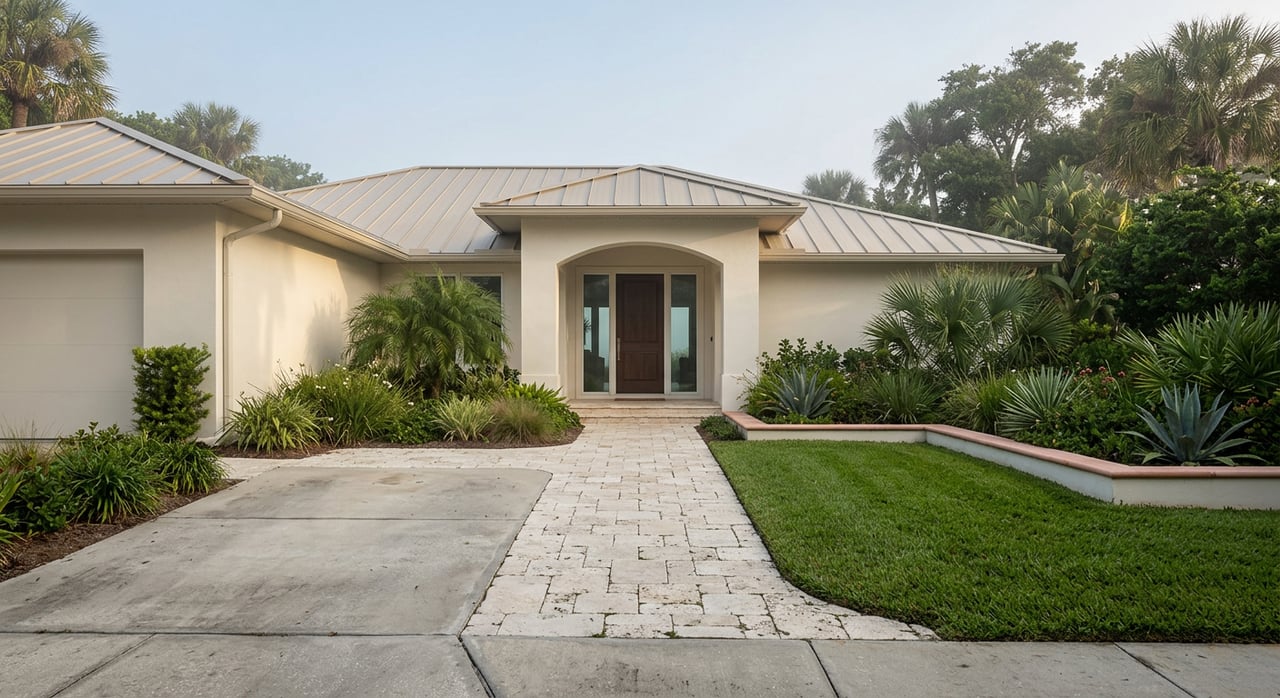
Buying a Marco Island home without hopping on a plane every week is absolutely doable. If you plan well and partner with the right local team, you can tour, offer, inspect, and even close from your current state. You want a clear plan that respects your time and protects your investment, especially with waterfront and condo-specific factors in play. In this guide, you’ll learn the exact steps, local rules that matter, who to hire, and how to avoid costly surprises. Let’s dive in.
Marco Island market at a glance
Marco Island is a premium Gulf Coast market with a wide range of prices, from luxury beachfront condos to inland townhomes. Recent snapshots vary by data source: Redfin reported a median sale price near $938,000 in January 2026, while Zillow showed about $831,667 for December 2025. This spread reflects timing and dataset differences. For the most current trend lines in the larger Naples and Collier County area, review the Naples Area Board of REALTORS market releases, such as the recent April 2025 statistics report, or ask your agent for up-to-date local MLS figures.
Why this matters for remote buyers: Marco Island is a barrier island with significant FEMA flood zones, many properties are in associations, and a high share of homes include seawalls, docks, or lifts. These features create extra steps for inspections, insurance, permits, and financing. The City and County enforce local floodplain rules that can affect timing and cost, so build in time to verify requirements using Collier County’s floodplain resources.
Your step-by-step plan
1) Get pre-approved and confirm remote closing
Start with a written pre-approval from a lender that underwrites in Florida. Ask about requirements for coastal properties, including flood coverage, elevation certificates, or specialized appraisals. If you plan FHA or VA financing, confirm whether a Wood-Destroying Organism (WDO) inspection will be required.
Next, confirm how you will close from out of state. Florida authorizes Remote Online Notarization (RON), so many title companies can complete closings fully online. Still, lender policies differ. Review the state’s RON framework and ask your lender and title team if they accept it early in the process using the Florida RON guidance.
2) Begin virtual scouting with a document checklist
Use high-quality photo sets, 3D tours, live video walk-throughs, and drone footage to narrow your list. Before you fly in, request these items from the listing side when available:
- Recent inspection reports, a current survey or plat
- Seawall and dock permit history for waterfront properties
- Association resale packet or estoppel details
- Any recent insurance claims and special assessments
These materials can influence price, underwriting, and your inspection plan.
3) Write a strong offer with smart contingencies
Your offer should protect your ability to perform remote diligence. Most out-of-state buyers include:
- Inspection contingency for a defined window
- Financing contingency
- Association or condo document review contingency
For condominiums, Florida requires specific resale disclosures and documents. Learn what must be provided and your review rights under Florida Statutes section 718.503.
4) Schedule inspections and specialized diligence
Move fast so you can act within your inspection window. Common inspections include:
- General home inspection covering structure, roof, HVAC, plumbing, and electric
- WDO or termite inspection, which can be customary and may be required by lenders
- Seawall, dock, and lift inspection by a qualified marine inspector or engineer to check cap condition, tiebacks, piles, and toe scour, plus permit history. Learn why this is critical in this overview of annual seawall care on Marco Island
- Elevation certificate by a licensed surveyor if the property lies in or near a FEMA Special Flood Hazard Area
- Wind mitigation and roof certifications if your insurer requests them
Also review floodplain and local permitting rules early by consulting Collier County floodplain management resources to anticipate repairs or mitigation steps.
5) Prepare for coastal appraisal timelines
Appraisers need relevant comparable sales. Unique waterfront homes or luxury condos may have fewer direct comps, which can extend the appraisal window. Ask your lender to assign an appraiser familiar with Marco Island and Collier County waterfront properties so you can stay on schedule.
6) Budget for insurance and confirm flood requirements
If the property is in a FEMA Special Flood Hazard Area and you have a mortgage, flood insurance is typically required for the life of the loan. Lenders check FEMA maps during underwriting. Learn how flood rules work in the federal flood insurance Q&A. Homeowners coverage and wind or hurricane insurance are a meaningful factor in coastal budgeting, so obtain quotes early and factor in any mitigation credits.
7) Choose your closing workflow and protect your funds
If your lender and title company permit it, a RON e-closing lets you sign and be notarized by video while the notary is in Florida. If not, ask for a mail-away package with a local notary and return the signed originals by courier. Collier County supports eRecording, which speeds confirmation of the recorded deed. Review the Clerk’s eRecording guidance and follow your title company’s written wire instructions to prevent fraud.
8) Post-closing setup and utilities
Coordinate water and sewer service and submit any forms needed by the City. For a quick start, refer to the City’s new utility service instructions. If you are purchasing a condo, arrange key or code transfer with the management office and verify gate access or elevator booking procedures.
Know the local taxes and fees
Florida collects documentary stamp tax on deeds in most counties at $0.70 per $100 of consideration. This is a material line item on your closing statement. Review the state’s documentary stamp tax overview.
If you are financing, Florida also charges a non-recurring intangible tax on the mortgage amount. Title companies typically estimate these items up front, but you can confirm the rules in the state’s intangible tax guidance. Collier County recording and any eRecording fees are also collected at closing and handled by your title company or closing attorney.
Condo and HOA documents you will review
Most Marco Island properties are in an association. For condominiums, Florida law outlines exactly what buyers should receive in a resale. The packet typically includes the declaration, bylaws, budget, reserve or structural reports when applicable, and current financials, along with an association estoppel or resale certificate. Learn what the statute requires in section 718.503. Request these items early in your inspection window so you have time to evaluate reserves, meeting minutes, and any pending special assessments.
Homestead and property tax notes
If this is a second home or vacation property, you likely will not qualify for Florida’s homestead exemption until you establish the property as your primary residence and file by the county deadline, generally March 1. Check Collier County’s guidance on timing and documentation via the Property Appraiser’s homestead information.
Waterfront watchlist for Marco Island
Waterfront living is the Marco Island dream, and it comes with specialized diligence:
- Seawall repairs or full replacements can be significant. Secure a marine inspection, and review permit history and city standards. This seawall care guide for Marco Island explains why early detection matters.
- Flood zones and elevation influence insurance costs and sometimes financing terms. The County’s floodplain resources are helpful for planning.
- Docks and lifts should be evaluated for structural condition and alignment with permits, especially if you plan to upgrade for a larger vessel.
Who should be on your local team
A coordinated, experienced team keeps a remote purchase on track:
- Local buyer’s agent who knows Marco Island neighborhoods, waterways, and associations
- Title company or closing attorney who supports RON or mail-away and eRecording in Collier County
- Lender familiar with Florida coastal underwriting and remote workflows
- General home inspector experienced with coastal construction
- Marine and seawall inspector or coastal engineer for waterfront properties
- Licensed pest inspector for WDO/termite
- Surveyor for elevation certificates or to update title exceptions
- Property manager for post-closing onboarding if you will not be local
A realistic remote-buyer timeline
- Week 0 to 2: Virtual tours, shortlist properties, arrange a focused in-person trip if needed.
- Week 1 to 4: Offer accepted, escrow opened, title commitment ordered, association packet requested.
- Week 1 to 3: General, WDO, and seawall or dock inspections scheduled; survey and elevation work ordered if needed.
- Week 2 to 5: Appraisal and underwriting; insurance quotes collected; title items cleared.
- Week 4 to 7: Clear to close; select RON or mail-away; close and eRecord. Allow more time if association documents or elevation work are still pending.
Common pitfalls and how to avoid them
- Lender rejects RON late in the process. Solve this by confirming RON acceptance at pre-approval and having a mail-away plan. See the Florida RON framework.
- Flood zone surprises slow underwriting or raise premiums. Run FEMA mapping early, consult Collier floodplain resources, and request elevation data before your inspection window ends.
- Seawall or dock issues discovered after you waive contingencies. Make seawall and dock evaluations part of your inspection plan using a qualified marine professional.
- Condo packets or estoppels arrive late or contain surprise assessments. Order the association documents upon contract acceptance and use your condo document review contingency in line with Florida Statutes 718.503.
Ready to search from out of state?
You do not need to be on the island to buy with confidence. With a clear checklist, early lender alignment, and a proactive local team, you can lock in the right home and close on your terms. If you want a concierge approach to virtual tours, association reviews, waterfront diligence, and a smooth RON or mail-away closing, the MJ Team is here to coordinate every step.
FAQs
Can I close remotely on a Marco Island home?
- Yes. Florida permits Remote Online Notarization and many title companies can close via RON or mail-away, but confirm your lender and title company accept your chosen workflow early. Review the state RON guidance.
Will my lender require flood insurance for Marco Island?
- If the property is in a FEMA Special Flood Hazard Area and you have a mortgage, flood insurance is generally required for the life of the loan. See the federal flood insurance Q&A.
What closing taxes should I expect in Florida?
- Budget for documentary stamp tax on the deed at $0.70 per $100 in most counties, plus a non-recurring intangible tax on financed loans and recording fees. See the doc stamp overview and intangible tax guidance.
What condo or HOA documents do I get to review?
- For condo resales, you should receive the declaration, bylaws, current budget, reserve or structural reports when applicable, and an association estoppel or resale certificate. Learn your rights under Florida Statutes 718.503.
How are documents recorded if I am not in Florida?
- Collier County supports eRecording through approved vendors, so your deed can be recorded promptly even if you sign remotely. See the Clerk’s eRecording information.